
Blog Feed
ENGL202 Creative: Blog 1/Blog 5
ENGL202 Blog 5 – Creative: Language’s Liberation and Enslavement
TASK: Write a poem or a short prose passage that illustrates the ways in which language can be both a prison and a release from prison.
Exile in English…
Words will be cruel. Cold and clean and quiet as they confirm your illness after months of blood tests and bone density scans. Words will be awfully kind. ‘I do,’ she whispers with tears shiny as the diamond on her pale, manicured hand.
Words will wind around you–a trickster crawling up your sibilant spine–a bilingual zephyr to seal your oaths and read your palms. The words of her or him or them or you…oh, words will play hopscotch with your hope and are the cement and soul in your thoughts. These letters–these hieroglyphs–these keys to the kingdom.
These syllables–this syllabus–these syntactic prison sentences.
I remember my father’s ancient language; it was fast and harsh and loud. Truly musical, it sent me to sleep at night. A sad discussion with a village on the other side of the other world was my white noise machine.
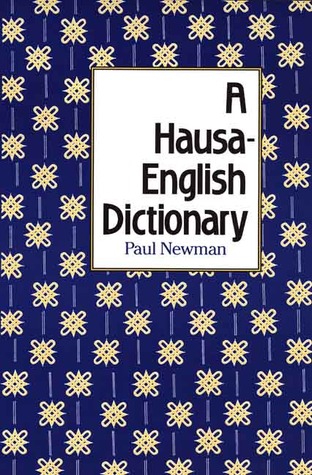
Hausa is what they called it. “Sunana…English?” My name is: English.
Do you speak English?
Now I am small, I see the language in my mind: it bears a shape and a voice and a smell. The light of the garage is on, and the cup of tea is steaming, and my father’s realm is teeming with rasping gibberish. He sounds as if he is casting spells, he circles the worktable like chanting ’round the bad juju magic cauldron. Never have I ever felt so helpless and so fascinated. It is a secret power I have no access to. It is the cotton candy grass on the other side the fence. How their mouths move with the crackle of lightening…with whispered, misty promises.
And I remember knowing I was in exile inside these words of my own, for I had no notion of the cosmos my father spoke to back home.
Works Cited
Malami Buba. “Paul Newman: A Hausa–English Dictionary.” Lexikos 18 (2011): Lexikos, 01 October 2011, Vol.18. Web.
ENGL202 Blog 1 – Creative: “Dance at le Moulin de la Galette” by Pierre-Auguste Renoir (Ekphrastic Poem)
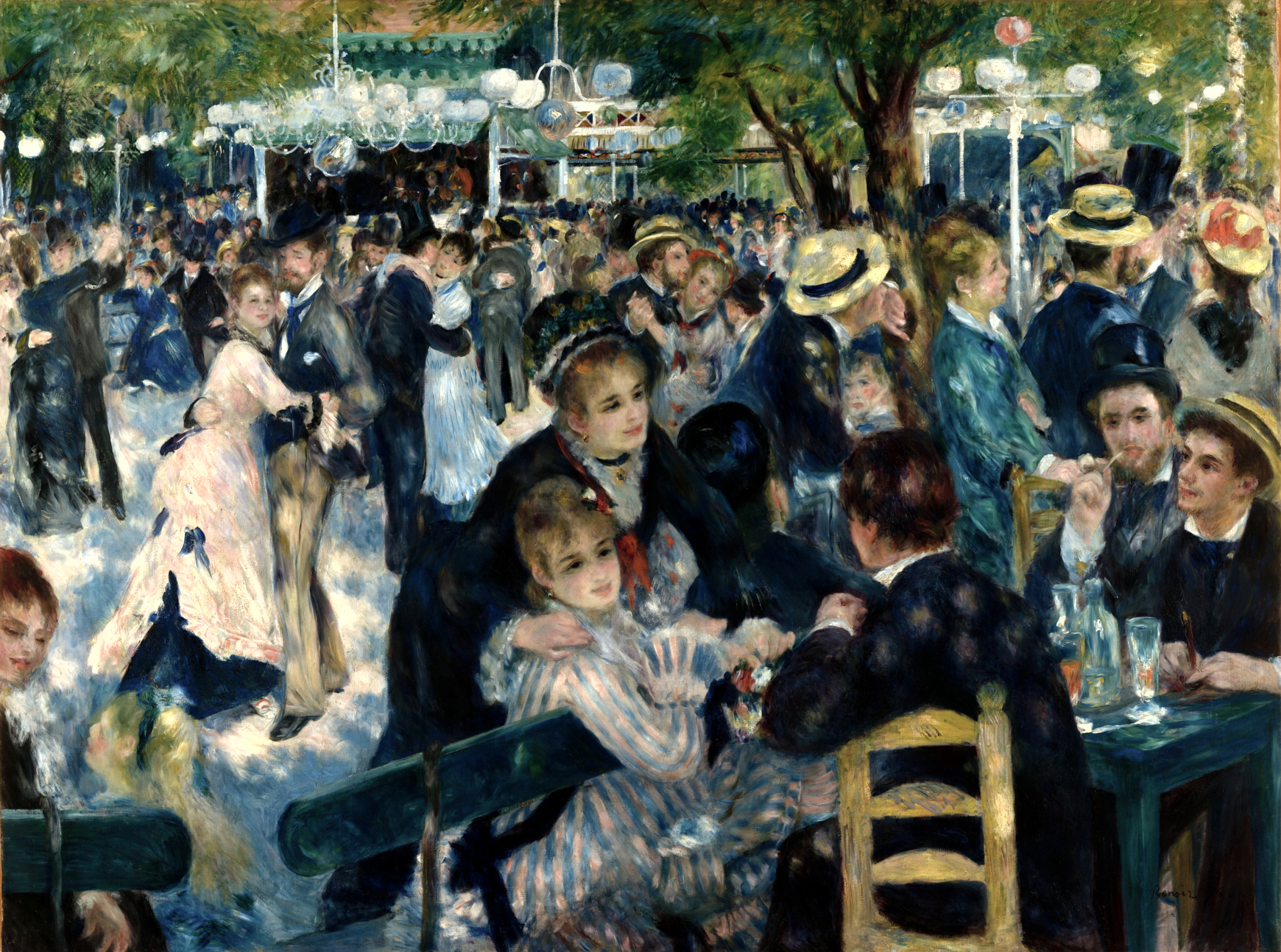
4/ An ekphrastic poem is a poem that vividly describes a painting, such as X.J. Kennedy’s poem “Nude Descending a Staircase”. Try to write your own ekphrastic poem with reference to any one of the paintings shown to you during lectures in the first two weeks. Include an image of the painting in your blog.
The Man from Montmartre
Lily-pad lads and rosewater-coloured ladies.
Lips shifting around the velveteen tongue of the pipe.
Flesh of cream and peach and strawberry.
Timid embraces and demure smiles.
Temptation carved with arched brows and downcast eyes.
“Oh, what a lovely day for a dance!”
Touching her cheek and taking her hand,
wrapping lace gloves in your coat.
Henri stumbled to the table, stealing his chance;
mon bon monsieur’s fille…
the noise and the nerves as he spoke.
But I know you, with your back to our sights,
a weekend dappled with straw hats and Parisian sunlight.
They know so much when they are young and in love.
Leather shoes and parasols strewn upon cobblestone.
The billow of their skirts are the wings of a dove.
Chandeliers draped from the clouds,
and, as their gaze moved about
this bacchanalian shroud,
they glimpsed a man with his day in the crowd.
“What a day to put on display!
Oh, what a day too splendorous and gay.”
With your feet on the edge of the frame,
I’ll wish you had asked me to the dance.
Pummel me back a few decades with paint.
Your fractured shadow when I go home on the train;
you follow me still as I sit alone in the coach.
Your stillness shivers through the brush strokes.
Works Cited
| Renoir, Pierre Auguste. Le Bal du Moulin de la Galette. | |
| Rivière, Georges. Renoir et ses amis. 1921. |
|---|
ENGL202 Blog 4 – Critical: Virginia Woolf & the Power of Imagination
TASK: Virginia Woolf believes in the power of the imagination to liberate human beings from the shackles of their enslavement. Do you have a comment on this statement?
Woolf is an extraordinary author; her way of writing is profound and searching, ever seeking to make sense of the mosaic of human experience, both beauteous and frightening. I believe that Woolf felt the human imagination was a powerful instrument for spiritual liberation because she understood how reality can indeed be a hideous, agonising realm. Her own experiences as a child and adolescent attest to this belief in the wall that can be created between reality and imagination–between the painful and the hopeful. Woolf had a difficult childhood: losing her parents at a young age and subjected to abuse, Woolf would have quickly learned of the escapism that literature provides for the suffering soul.

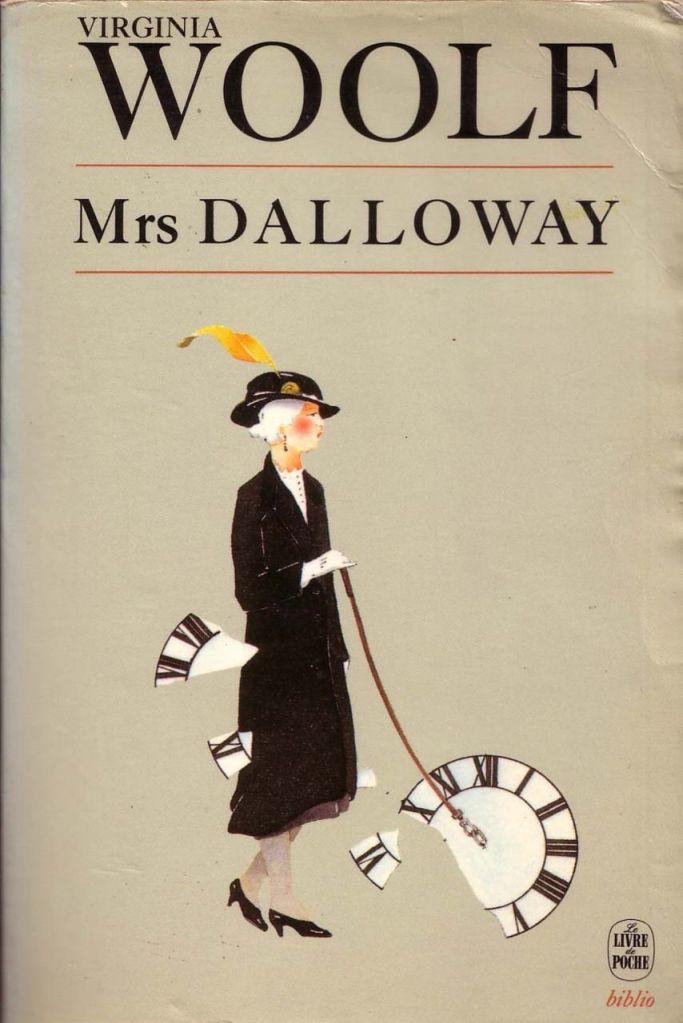
With this passion for modernist experimentalism, Woolf abandoned linear narratives in novels such as Mrs Dalloway. Woolf’s writings are crafted to capture layers of her character’s consciousness. For example, the description of Septimus’ character illustrates the possibility of his madness. However, as readers, we delve into his interiority and it is clear this character leads with a visionary imagination that is deeply involved with the natural and spiritual world around him. This kaleidoscopic glimpse into Septimus’ musings are balanced against the ordinary realism of Clarissa’s mind. Mrs Dalloway favours interior monologues, exploring problems of personal identity and relationships, as well as the significance of time, memory, change and loss.
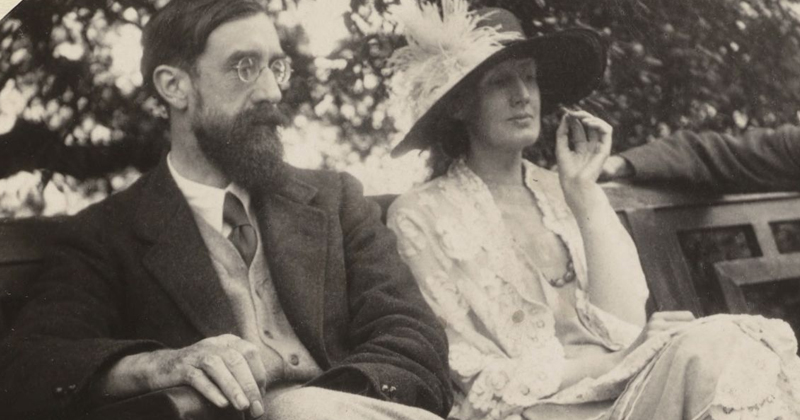
Because of this liberating imagination, Woolf was ahead of her time, supporting the androgynous persona and maintaining romantic relationships with women. However, Woolf was deeply sensitive to the destructive things that were happening around her: World War II, for example. Like Septimus, she was also afraid of losing her mind and becoming a burden to her loved ones. Woolf expresses an escape from emotional and psychological enslavement through her carefully modulated flow of prose, which is like reading a long poem–each image has a resonance that carries into the next movement of narrative.
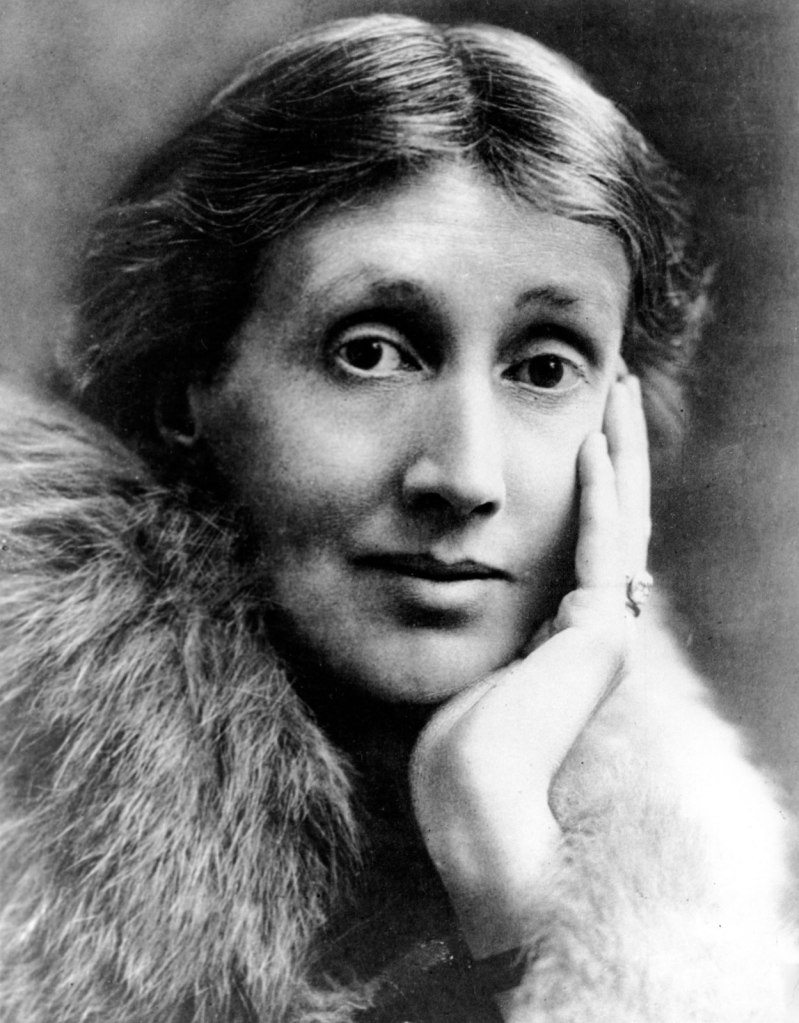
Woolf rebelled against the materialism of authors, such as H. G. Wells, who depicted social injustice through gritty realism. Woolf rather captures the shackles of societal enslavement through the profound exploration of the tormented mind, such as Septimus’. In many ways, Woolf’s literary processes of evoking such a world of injustice engenders more empathy, as the reader aligns themselves with every fibre of thought the drives the pained protagonist. Ultimately, Woolf’s writings attest to the freedom of the imaginative mind.
Works Cited
Woolf, Virginia. “Mrs. dalloway.” Collected Novels of Virginia Woolf. Palgrave Macmillan, London, 1992. 33-176.
Peer Review 2 – Rhys Weller’s “The Winter’s Tale” Script
Rhys Weller: https://blgblogblog.wordpress.com/2020/04/29/shakespeare-blog-3/
This is a fantastic script, Rhys! I really enjoyed this reimagining of jealousy and its impact on characters in The Winter’s Tale. Your use of vocabulary is wonderfully poetic; it evokes for readers the dichotomous emotions of fury toward Leontes and tender sympathy for Paulina. My favourite line of dialogue in this piece would have to be: “he is the snake seeking the fairest fruits”. It perfectly encapsulates the darkness and envy that is spiralling around Leontes’ psyche. The only section I personally found a little confusing was the reason for Paulina’s collapse. Was this to parallel Hermione’s fainting in the play? Was it meant to convey something else? Nonetheless, this is a terrific blog entry. Awesome work! – Mariama
ENGL210 – Blog 3: Claudius’ Rage of Jealousy
Blog 3L / Write a short script that depicts a man collapsing in a rage of jealousy.
Author’s Note: Reading Shakespeare’s ‘Hamlet’ and ‘The Winter’s Tale’, my mind conflates the two notions of Hamlet’s deep-seated inaction and Leontes’ destructive jealousy. Something tangled and warped is born in my imagination.
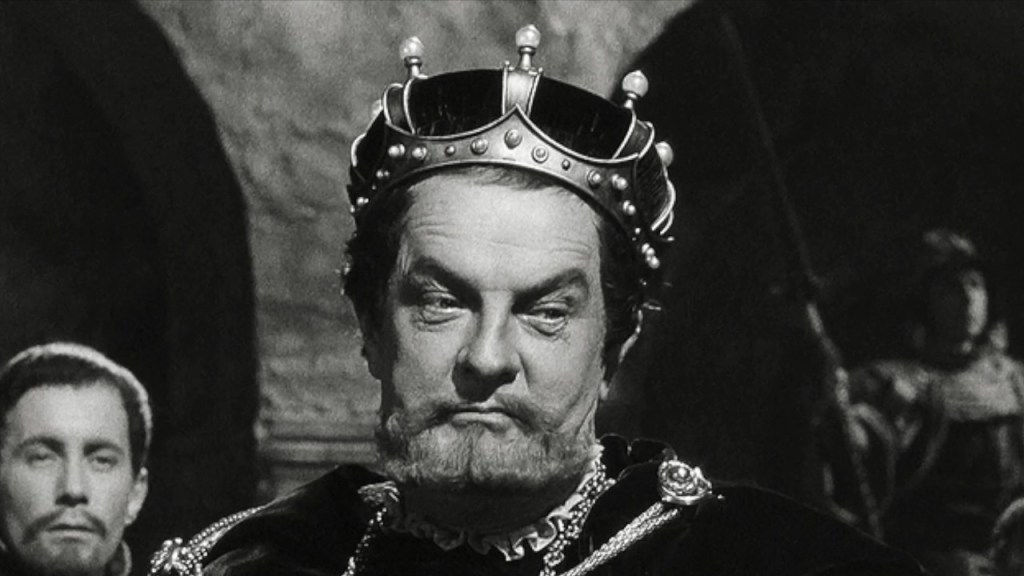
A monologue riddled with envy by middle-aged Claudius set before the events of ‘Hamlet’.
Claudius: long in the shadow of a great king and long in love with his brother’s wife. After decades of meditative inaction, Claudius is struck with the decision to take what is rightfully his. Claudius will kill his brother: King Hamlet.
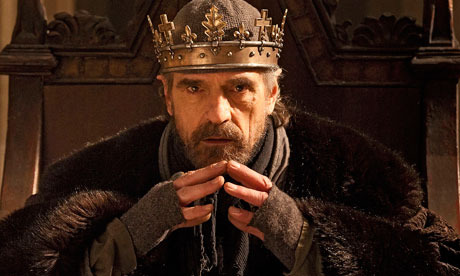
Act 1: A Rage of Regal Envy
CLAUDIUS
CLAUDIUS holds up a sharp dagger, inspects it, prods it, and places it down
I was the quiet son, then. He was loud and happy. But my brother knew me. Hamlet–he knew me.
We were fond of each other: each other’s puppeteers, contorting our boyhoods into farcical Falstaffs and playful Pucks. We gave the other the strings to pull, for we trusted no harm would come from our brother’s plying hands.
But know this, old friend, I had not strings tied to him for years.
It was the Cupid’s arrow struck that turned on us as shears.
And snapped each line to him I had one by one.
It was from her hands mine own strings now hung.
O, my fair Gertrude.
Eyes close and he smiles in dreamlike reverence. Eyes snap open, clouded by scorn
And from there led the agony in watching them wed!
Seeing them were thorns no less pricking than the needles inside my head.
O, those thousands of unopened letters to God explaining why I am dead.
Picks up the dagger, paces, distracted by memory
She laid the boy in his arms, and I did weep watching my brother cradle this newborn son. Hamlet: likeness in name, compress the division of time, and they art one. Mine eyes did drift to the sleepy smiles of that sweet, good queen…for she was looking at me.
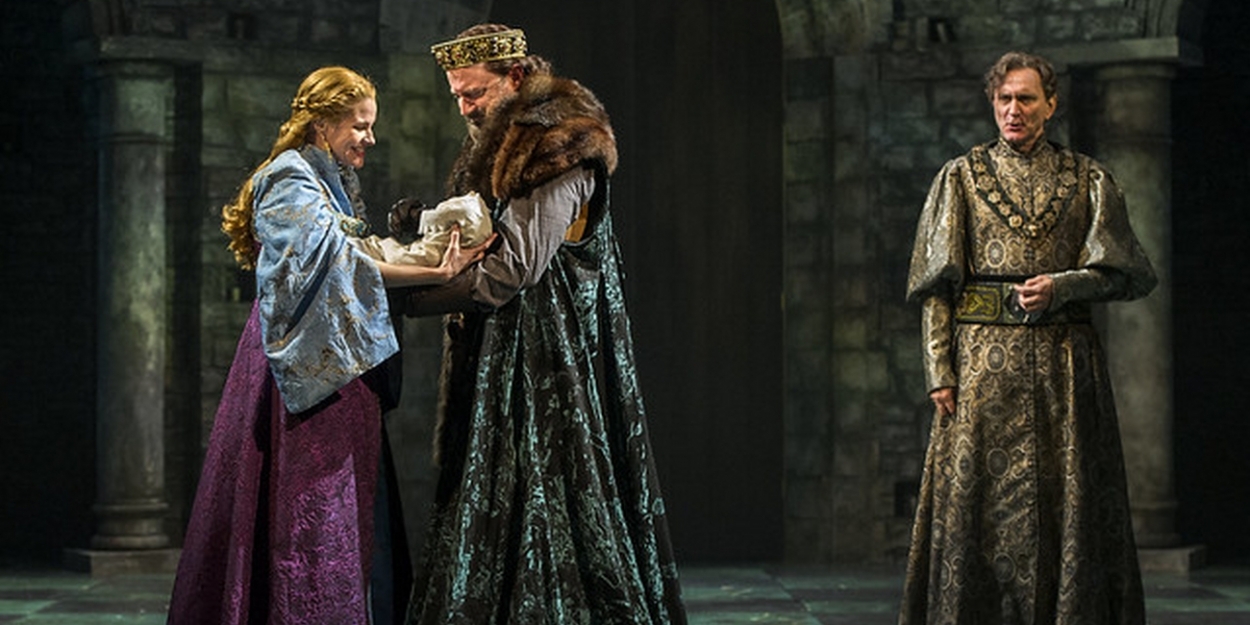
Sighing dreamily, he sways
She drew me to her in the meadow the following moon.
Strayed from the yoke of her throne, past the pallid piers at Elsinore,
she crept whilst the babe at her bosom slept.
Wilder she grew, swifter she moved, nearer the moorland windswept.
At last, she turned to me at the meadow’s edge,
holding babe Hamlet to her breast.
She peered up at me with the demure eyes of a wise doe
and, in dulcet tones and with moonlit flesh, she spoke:
[off-stage, voice of GERTRUDE]
Come hither, my dear Claudius, sit by me.
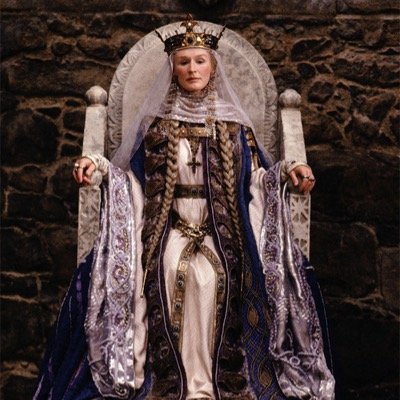
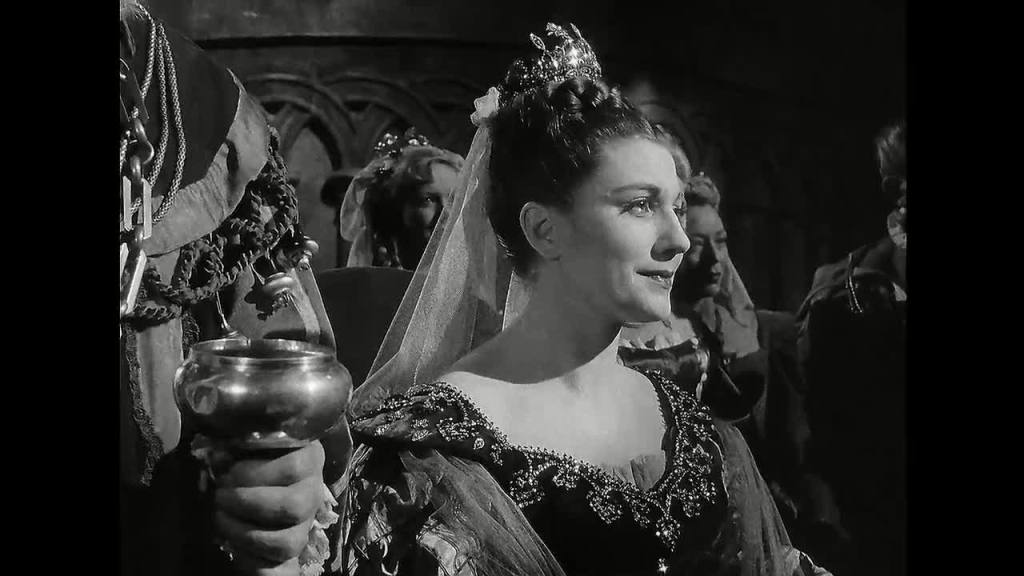
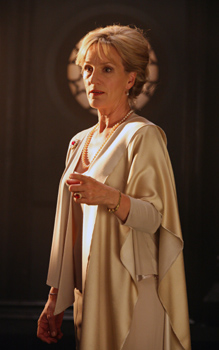
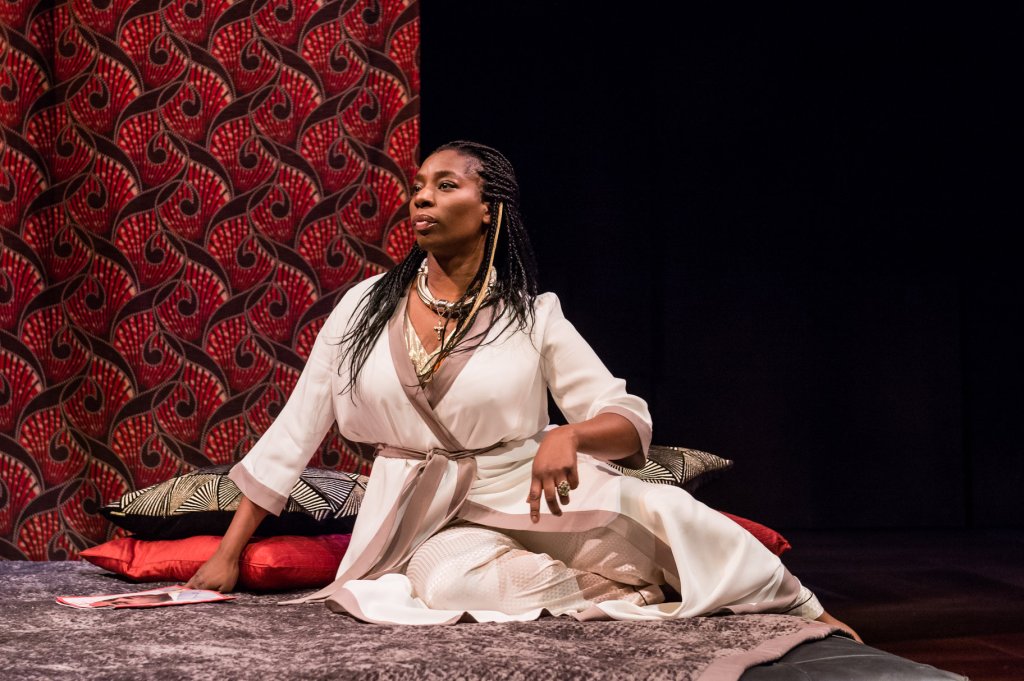
CLAUDIUS wrestles with his anguish; he bursts with furious laughter
CLAUDIUS
O, I am no Lancelot, wretched Murder. Gertrude no tepid Guinevere! And wretched thou art, Murder, for thou art bound by crime and crime by blame and blame by guilt and guilt by suffering. And if I do not suffer guilt, it is no blameful crime. I would not waste away in want of a woman I shall never call my wife. And so, thou–Murder Most Foul–becomes my most secret friend…
My brother would oft ask me in those days of piteous bitterness:
[off-stage, voice of KING HAMLET]
How is it that the clouds still hang on thou?
CLAUDIUS
If only I hath unveiled my plan to him; if only I hath forewarned that a centurion’s twenty footsteps stood to run with me the length of time we waited. Would thee reproach me with those simple, stately ways of thine? Nay, congratulate me, Hamlet! I hath hung these clouds ‘round my neck as both noose and collar, binding me to thou. But this day, brother? This day those pillows of heaven shall make thy deathbed. Thou hath thy reign. Thou hath thy wife.
It is my turn now, brother. For all the strings I let thee ponder to pull on my limbs, for the eons thou make merry of my woe, for all the happy children thou hath denied her and I for one…simpering…son!
Lights up to KING HAMLET, who slumbers in his grotto, inebriated. CLAUDIUS places down the dagger and pulls a vial of poison from his pocket. CLAUDIUS looks to his brother, gasping. With a sinster smile, he shakes with passion.
And when I do it, I shall be that quiet son once more. Thou shall die loud and happy, in my blood-red hands, with the tincture of sin on thy tongue. And when thee raise thine eyes to me, thy gaze shall be clouded and ears full of death-song. But thou shall know it is me, brother.
Hark, Hamlet! Mark mine oath. Thou. Shall. Know. Me.
CLAUDIUS strides toward the grotto, a fisted hand with the poison enclosed
Lights down.
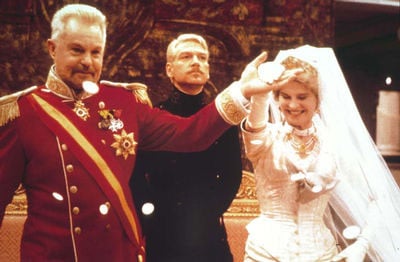
Works Cited
Shakespeare, William. Hamlet. Clarendon Press, 1912.
ENGL210 – Blog 2: Poem for Mr Miyazaki
Task – Write a short poem in tribute to one of your favourite singers/ actors/ creative artists – in which you compare your “hero” to one of the constellations.
Author’s Note: Each of Hayao Miyazaki’s images is followed by a stanza of my poem in tribute to him. There are five images. Enjoy!
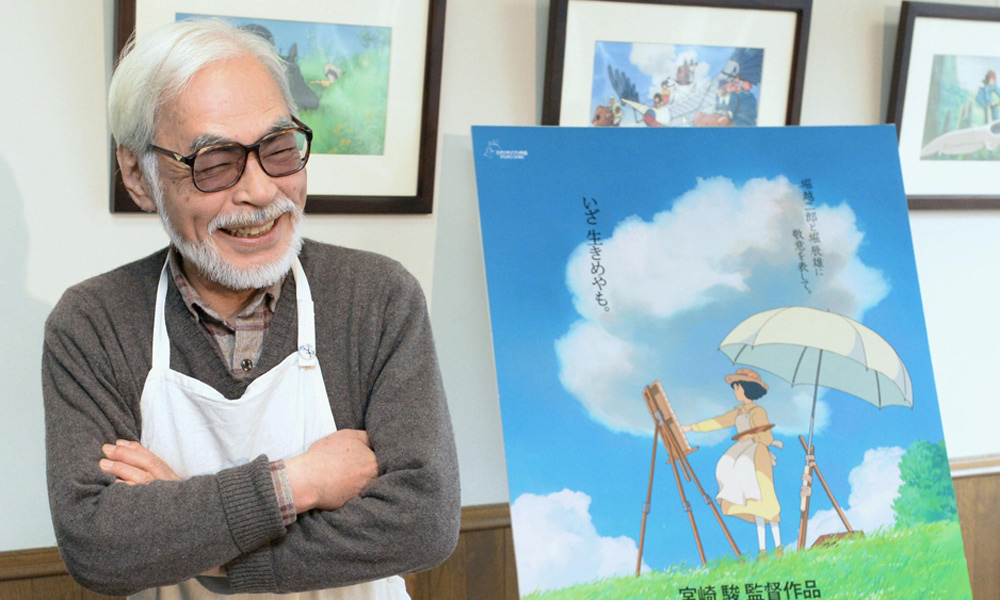
| Link for more information about this fabulous Japanese animator and storyteller: Hayao Miyazaki |
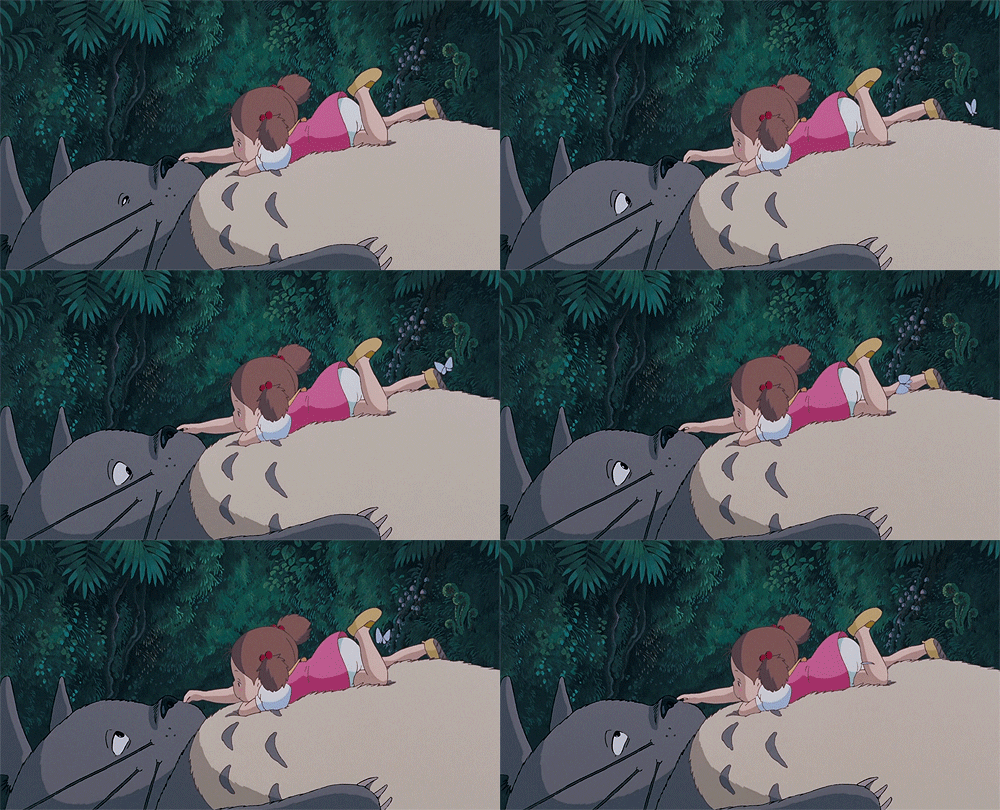
…a familiar, long-ago story
of home in the glades
and play in glens
and happiness in streaming, sunlit glory.
Only few, Old Man, can still see like a child.
And the humdrum beat of the dragonfly wing?
You hear, in working-day silence,
its innocence far off in the thrumming wild.
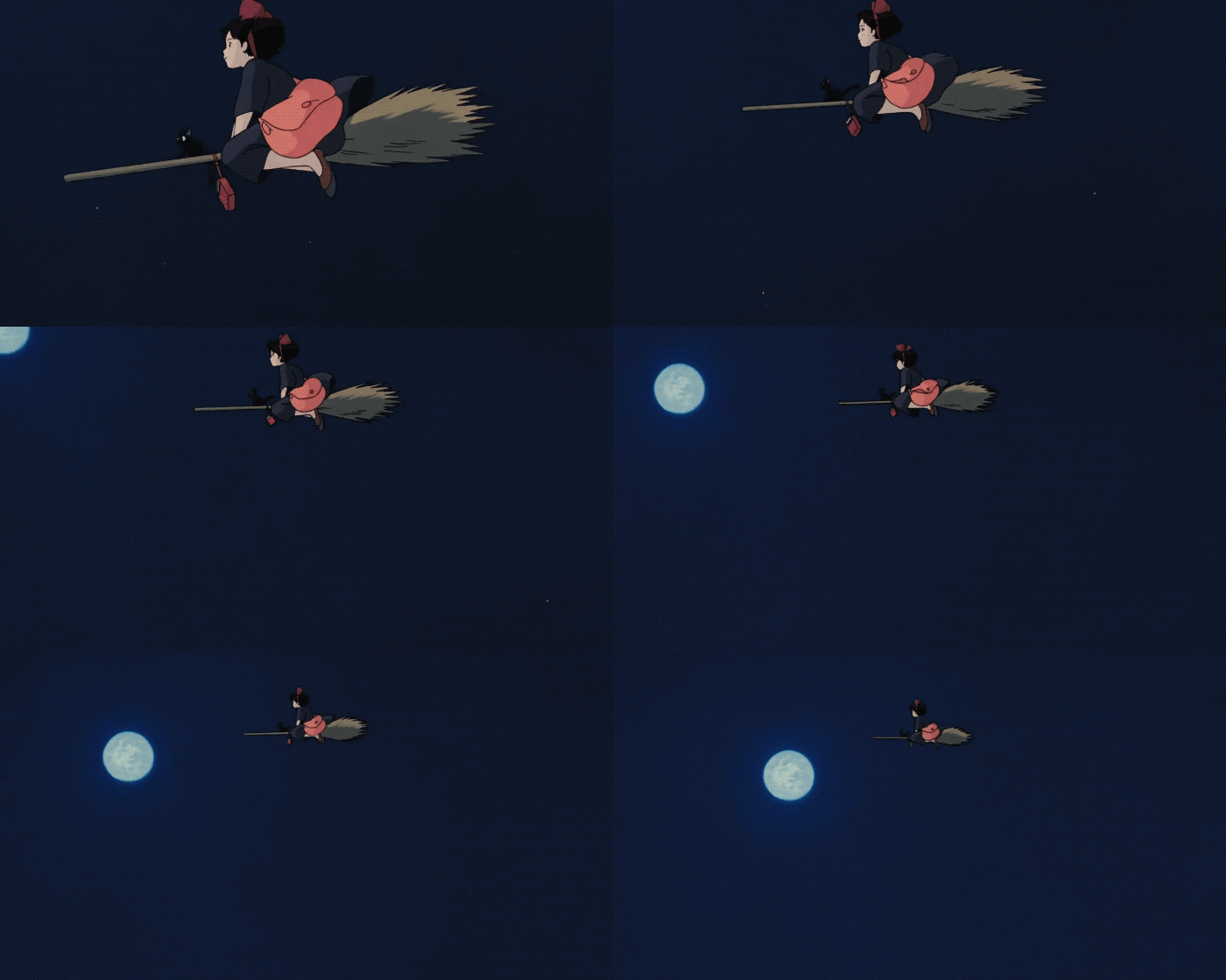
In wind and waves…sea foam and zephyr…ebb and flow,
a natural wonder you wind ’round the stars,
and lackadaisal ease in the pale moon’s glow.
You fly us to the sea.
You swim us to the sky.
Oh, the kingdoms you architect with the mere eyes
of a man’s mind.

There is a passion in the people you share;
souls that are soft and gentle,
rounded, fiery and flared.
You know the desires of the old and withered.
You know the wisdoms of the young and naïve.
Love is red-hot, but can also exist
as a cool shade of aquamarine!
Your tales are warming to our hearts,
whose smiles appear with the lives of such typical…
such fairy-fabled human beings.
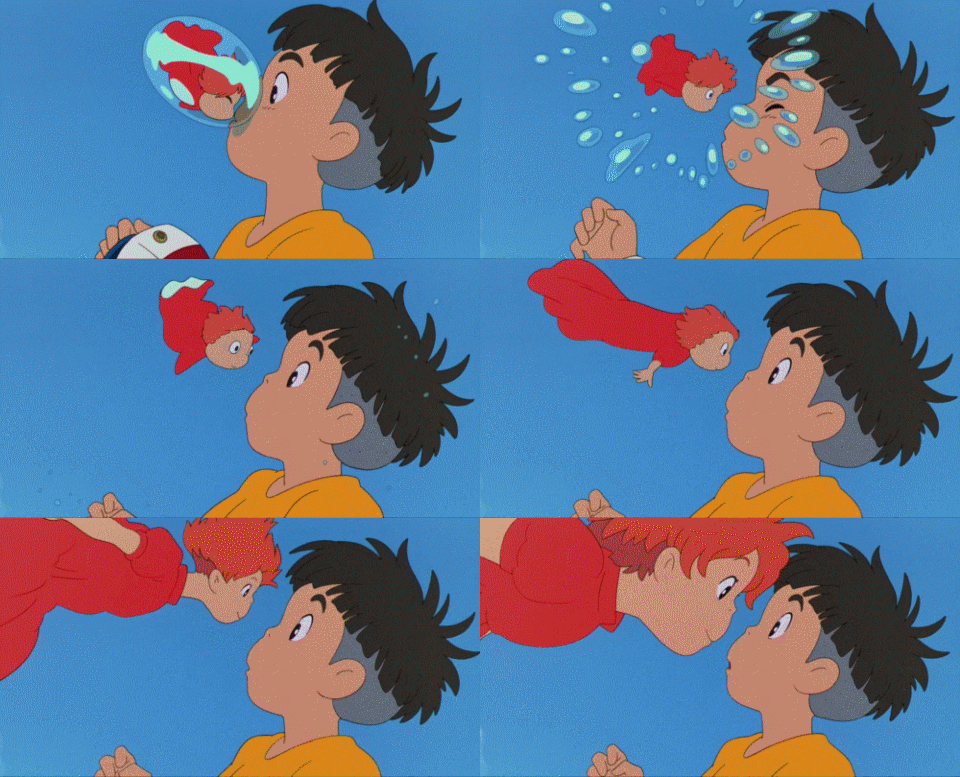
and longing to show us our earth as well.
Beyond your colours and pencils and pages,
betwixt these curses and kisses and spells,
a sad sort of worry trickles in from their faces
–a wistful yearning for the past seems to dwell.

they splash about the paints as your spirit world spills in;
it gushes with fishtails and folklore.
You–with frail, lead-fraught fingers–ply into the heavens
a warning should the folks in your tales,
with hands fisted in earthlight, fail.
Whilst sketching in the shadow of stars with your millions of tools,
we watch in shards of moonbeam: we insatiable fools.
Works Cited
Miyazaki, Hayao, director. Gake no Ue no Ponyo/Ponyo. Studio
Ghibli, 2008.
Miyazaki, Hayao, director. Hauru No Ugoku Shiro/Howl’s Moving
Castle. Studio Ghibli, 2004.
Miyazaki, Hayao, director. Majo no Takkyūbin/Kiki’s Delivery
Service. Studio Ghibli, 1989.
Miyazaki, Hayao, director. Sen to Chihiro no Kamikakushi/Spirited
Away. Studio Ghibli, 2001.
Miyazaki, Hayao, director. Tonari no Totoro/My Neighbour Totoro.
Studio Ghibli, 1988.
Peer Review 1 – Abanoub Kaloush’s ‘Prose Soliloquy’
Link to Abanoub’s Blog Entry: https://abanoubkal.wordpress.com/2020/03/01/example-post/
This is a beautiful piece, Abanoub! You clearly have a crafted control over the English language and you’re able to guide the reader through both colourful imagery and crushing allusions. The only thing I would point out is that, whilst this poem is indeed wonderfully written, the task asked for a ‘prose’ soliloquy. Nevertheless, this demonstrates brilliant use of renaissance vocabulary and metaphor. My favourite line would have to be: “I have found myself in some calamity between god and man”, it truly illustrates a disastrous, almost prophetic point of imbalance in this contemporary world. Keep up the awesome work! – Mariama
ENGL210 – Blog 1: Hamlet’s 2020 Soliloquy
Write a prose soliloquy in which you are Hamlet commenting on the world around you in 2020.


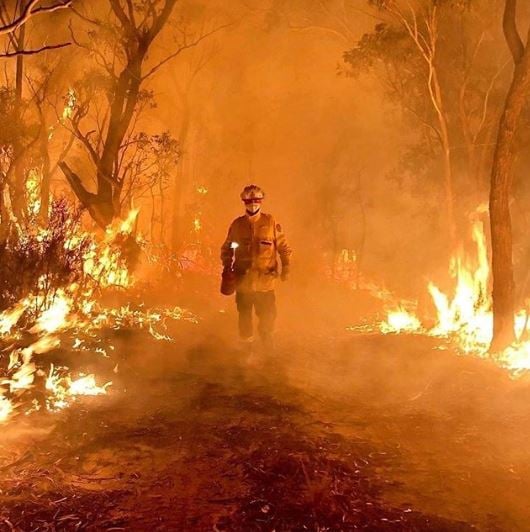
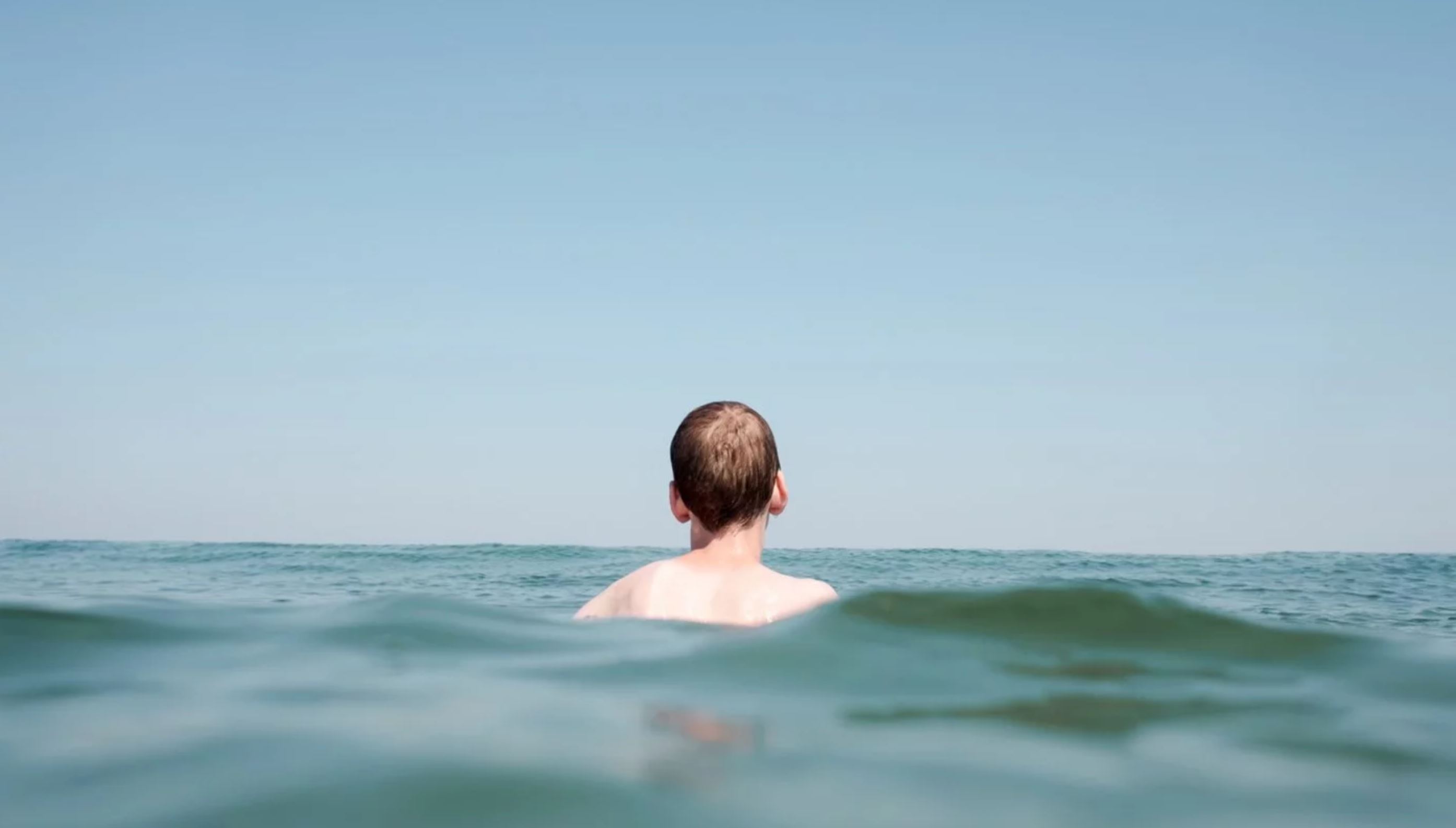
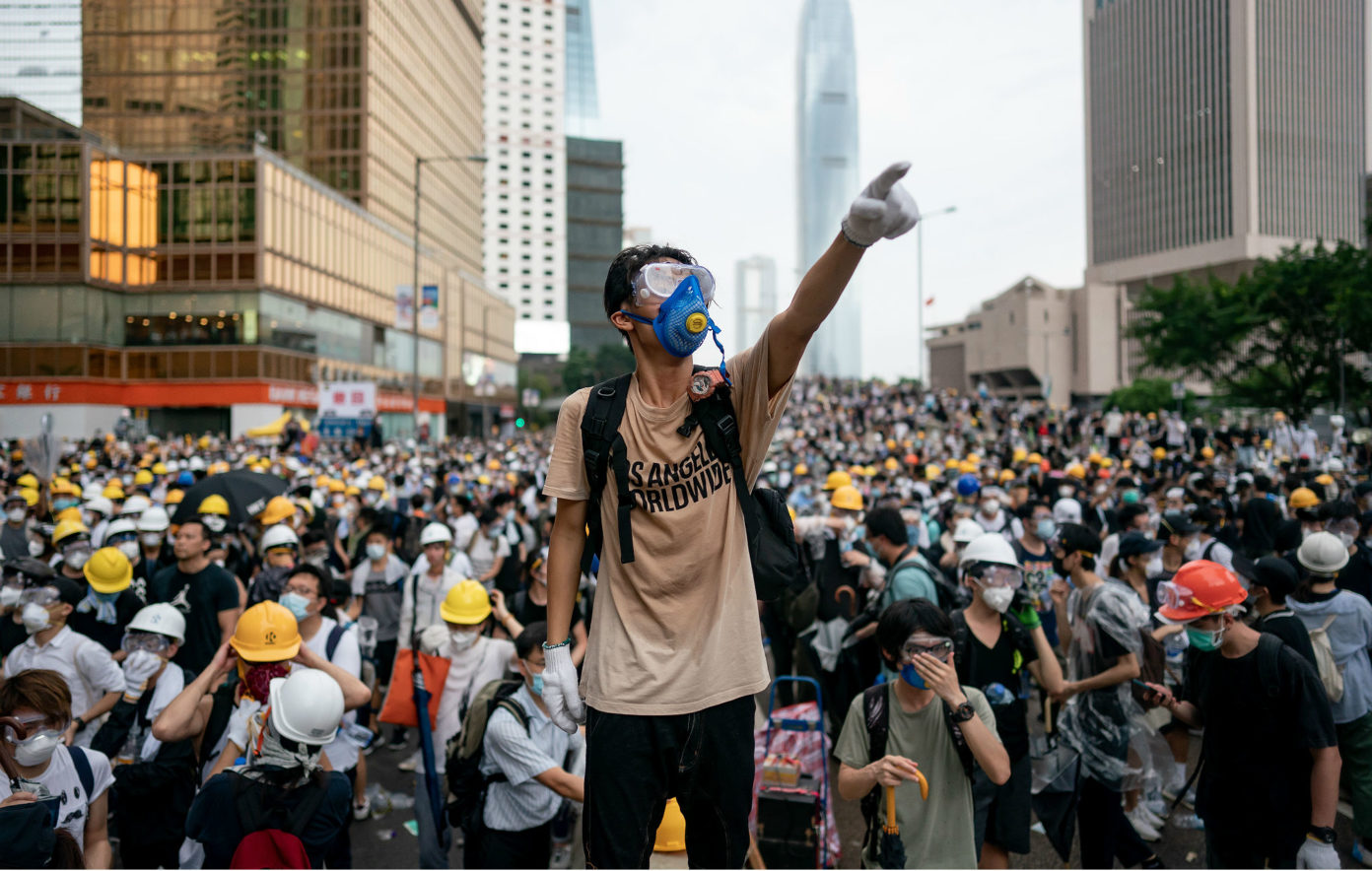
HAMLET: (sighing)
It’s bushfires and viruses and cunning toilet paper runs. It’s climate change and Trumpism and healthcare systems trumped by capitalism. It’s advertising fear and scrounging for hope. It’s the globe and the floorboards on this stage are wired with so much worry it feels as though we’re about to fall through, a feeling I’m afraid we’ve all heartily acclimated to.
In this month’s craze, we’ve all been struck down with terror of the plague!
We move through global emergencies like we churn through diet fads, reminding ourselves not to eat too much because we need to panic buy the rest tomorrow when, across the sea, others are starving. That’s dramatic irony for ya, eh?
The media sends the hordes into frenzied hysteria; I pity them honestly (I pity myself, too). But would we prefer a climate of oblivion or hyper information? Is there even a difference between the blur of too much and none at all? Perhaps the sea of news articles and broadcasts is some sort of blissful ignorance within itself. Perhaps we like to distract ourselves from our lives with the lives of everyone else – or more precisely, the lives of strangers in jeopardy and the lives lost inevitably.
But-
HAMLET sneezes into his elbow and begins to wash his hands
Well, you learn to switch yourself off…fall asleep walking through these masked and crowded streets, trying to fade from the facts and the fear. To best describe it: you’re in a large pool with the rest of the world’s population and everybody’s drowning–helpless, flailing and floundering, delirious with panic from this perpetual doggy-paddle. But if you stop swimming, stop floating, you sink beneath the surface and find a weightless, purring calm. It’s pleasant; it is eerily familiar, like the womb before the knife to the belly of Banquo’s mother.
Sadly, we must all come back up for air one time or another and, by the time we resurface, the next apocalypse has tagged you and Kim Kardashian in its Facebook status.
HAMLET continues washing his hands, humming the tune ‘Happy Birthday’

Author’s Note – Further inspired by the sonnet readings in Week 3 & 4, this is my (clumsy, unlearned) attempt at a modernised sonnet. I’ve never written one before! Of course, I know I have not achieved the effortless world-building that Shakespeare produces through his work, but I do hope Ophelia’s 2020 does strike a chord with some.
OPHELIA: (humming ‘Happy Birthday’)
Our king! Here comes the poisoned president.
He is made of tall walls wreathed in white tar.
He mocks the woe of the poor immigrant.
Tower to throne to rainforest carpark.
Oh, Ham*, will they win the next election?
We wait with baited* breath a few months more.
But the kingdom might have fallen by then,
When the Beer Plague coughs and clears the Coles store.
After hellfire, let’s be God’s good people,
Then pave our charred earth with fresh bitumen.
Let’s shout our neighbours a pint of Dettol,
Then steal toilet paper from our old friends.
But this land fused with fossil fuels and faith
will one day find the soul it once did forsake.
*please note: the incorrect use of ‘baited’ is deliberately implemented for wordplay
*please note: A ‘ham’ is a an excessively theatrical actor. This is a nod to the ludicrous theatrics of the Trump Administration, the metatheatrical elements of Shakespearean tragedy and could be interpreted as Ophelia’s contemporised pet-name for Hamlet.
Works Cited
Bloomberg. “Exxon Cries Foul as Two Claims Dropped at End of Climate Trial.” StackPath, 7 Nov. 2019, http://www.industryweek.com/leadership/companies-executives/article/22028550/exxon-cries-foul-as-two-claims-dropped-at-end-of-climate-trial.
Hunt, El, and El Hunt. “The Story of Hong Kong’s Newest Protest Anthem.” NME Music News, Reviews, Videos, Galleries, Tickets and Blogs | NME.COM, 1 Oct. 2019, http://www.nme.com/blogs/nme-blogs/glory-to-hong-kong-about-the-protest-anthem-2552703.
Jones, Lea. “Léa Jones: Royalty-Free Stock Photos at Stocksy.” Stocksy United, http://www.stocksy.com/LeaJones.
McGregor, Kate. “Australia’s Devastating Bushfire Crisis in Pictures.” POPSUGAR Australia News, 6 Jan. 2020, http://www.popsugar.com.au/news/photos-australian-bushfires-2020-47068195.
Minter, Adam. “Deadly Virus in China Should Scare World Leaders to Action.” Bloomberg.com, Bloomberg, 22 Mar. 2020, http://www.bloomberg.com/opinion/articles/2020-01-21/deadly-china-coronavirus-should-scare-world-leaders-to-action.
Blog 2: Creative – Inspired by Dame Mary Gilmore’s ‘Australia’ and Tom Roberts’ ‘The Golden Fleece’
“Water,” you bellow, and I scramble to the kitchen to fetch a pitcher.
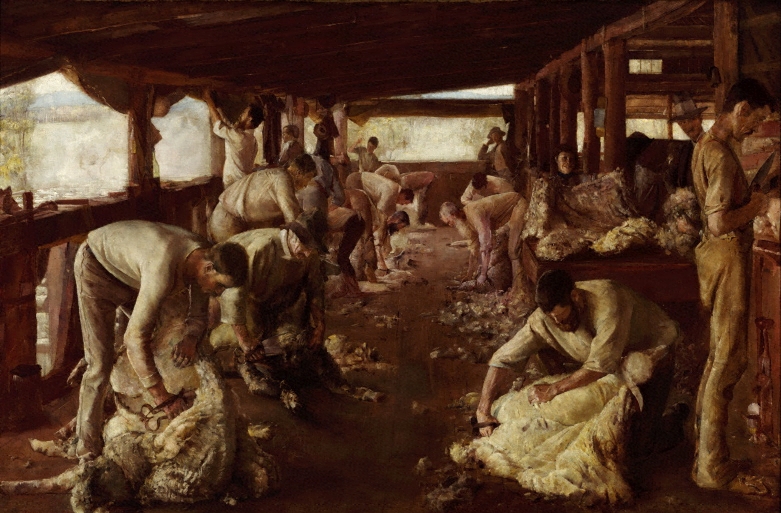
Inspiration: Week Four readings and lectures established the development of the early Australian identity. Throughout, I noted a connection between Tom Roberts’ ‘Golden Fleece’ and Mary Gilmore’s ‘Australia’, linking the Australian identity to Greek Mythos.
‘The Ilweme’s Wife’ sort of manifested from my prior understanding of Greek mythos, some readings from the Pen Anthology of Aboriginal Literature (just as some extended reading) and the readings and artworks from Week 4. I felt I couldn’t creatively relate to the writings of Lawson or Patterson, so I chose a different perspective. I don’t have any Indigenous Australian or First Fleet heritage, so this isn’t technically ‘my’ story or the story of my ancestors, but I know I can relate to an appreciation of nature and earth because of my West African roots.
I found myself oddly inspired by Gilmore’s mentioning of Hades and found myself envisioning the God of Death as an outback shearer–hard yakka and rough manners–presiding over his land with dominance and vulgarity, attaining the ‘Golden Fleece’ of Australia: the hero’s loot of mother earth (natural resources and land to cultivate).
But whose land was he was really rearing? According to the myth, Hades had stolen Persephone–the Greek personification of nature and earth–and I felt I could not ‘Australianise’ Persephone’s connection to earth without translating it through the eyes of a captured Arrernte (Arunta) woman from Central Australia, a slave bound interminably to the stockman, stolen from her mother and longing for the connection to country and culture.
The title itself is a nod to Henry Lawson’s “The Drover’s Wife”, a story of the hardships in the outback. ‘Ilweme’ means “dead” in the Arrernte language. Therefore, we are reading a story of The Dead’s Wife.
Acknowledgment of Country and Culture {for use of Arrernte language}: I acknowledge and respect the traditional custodians whose ancestral land, traditions and language I am implementing throughout my fictional work. I acknowledge the deep feelings of attachment and relationship of Aboriginal peoples to country. I also pay my respects to the cultural and linguistic authority of the Aboriginal peoples of Central Australia who are reading this work.
“Mark where, fallen, the tribes move in the shadow:
Wilde, W.H. “Australian Dictionary of Biography.” Biography – Dame Mary Jean Gilmore – Australian Dictionary of Biography, http://adb.anu.edu.au/biography/gilmore-dame-mary-jean-6391.
Dark are the silent places were Arunta walks
Dark as the dim valleys of Hades, where stalk,
grey-shaped, the heroes and the gods of the Greeks.
These were the young, for even then Arunta was old.”
The Ilweme’s Wife
“Water,” you bellow, and I scramble to the kitchen to fetch a pitcher.
You emerge from the shed covered in red dust, angry sweat and white wisps of the animals. Snatching the jug from my grasp, you keep me from escaping with a rough grip on my hip.
You want me to watch you swallow the water, so I turn my eyes to the sun.
Those indigo eyes of a dingo–this hungry akngwelye artnwere. My gaze can only touch the white fibres in your facial hair. When you seek me at nightfall–as Eros visits Psyche in the silent, swallowing dark–you tell me those embers of white in your urrperle beard are the closest thing I shall ever taste to snow. If only you knew it was I who begged my mother to sketch into kwatye akantyere the first snowflakes of Kosciuszko.
If you are the king of the ilweme, your domain is indeed vast, but this country is not your kingdom–no more yours than it is mine, you foolish outback idol. This is not your province – this land I touch and love and mourn. This country you say you’ve claimed is my atyemeye, and I feel her wails encase me as the kwatye pere splits across the plane.
If the land is my atyemeye, then you are the god who has taken me from her. Still, I stand upon the cradle of her yenpe and hear her voice beckoning, ‘Daughter, come home. Come home.’
But her whispers are muffled by the calamity of the workmen on the cattle station.
And every night you call me with the light of the Southern Cross on your pale Olympian flesh, yet you do not realise it is the starlight of all amiwarre that has defied your rule. You capture me and the name clenched between your teeth is…Persephone. You do not see that I am older than that name–older than the life of the flower child stolen by the death god.
I hold memories older than even your immemorial name.
The pantheon of gods in the shed resumes their plunder of the animals. You’re an ocker and an oaf, yet your commands are obeyed among the bleats of both shearers and sheep. Always in pursuit of that perfect cut of sheep’s coat–a shearer ever seeking the Golden Fleece.
I return to my chores and listen as werneme calls, ‘come home, daughter. Come home.’
“Akarelheme,” I say, though I think you know I have forgotten what this means.
~ fin ~
Arrernte Vocabulary:
- akngwelye artnwere – dingo
- urrperle – black
- ilweme – dead
- kwatye pere – lightning
- atyemeye – mother
- yenpe – skin
- amiwarre – the Milky Way (stars in the sky)
- werneme – the blowing wind
- akarelheme – wait
“Arrernte Vocab.” Memrise, https://www.memrise.com/course/173460/arrernte-vocab/.
Summative Entry
An Introduction to Australian Literature: “Australia is not a finished product…”
The blogs that I have written over the semester encompass my evolving understanding of different eras of Australian literature. I have come to comprehend the way in which social, cultural and historical aspects of our country shape how literature encapsulates the unfinished Australian spirit. Perhaps the best reflection of my understanding of the ever changing attitudes and notions of Australia was my fourth blog: ‘Dear Meg Hogben’.
My first blog was a critical analysis of Henry Kendall’s poem ‘Bell Birds’. I found the poem immensely beautiful because of the way it reflected humanity’s connection to the land, especially the elements of the Australian natural realm which were often overlooked by the English colonialist society of the early Nineteenth Century. Henry Kendall described a longing for the land which I felt reflected a formation of the Australian identity, a scion of patriotic pride for the land and its peoples. However, I couldn’t help but believe that, whilst Kendall’s description of the native bellbird with its lulling trill was insurmountable in beauty, this burgeoning wonder for the Australian landscape was not elucidating the entirety of what Australia itself represents.
My following blog was a creative inspired by the painting ‘The Golden Fleece’ and Dame Mary Gilmore’s poem ‘Australia’, where I tried to form my own idea of how this unfinished entity that is Australia is a product of the history of failing to recognise the immemorial connection Australian Indigenous peoples hold to country. Whilst I may have struggled to imbed my own personal experience throughout this blog, I felt that my belief in respecting the traditional custodians of Australia conveys the contemporary values among people today. I feel this recognition of historical Indigenous oppression is an essential part of accepting the dark and light shades in our young and old history; it thusly denotes pride and acknowledgment of the mosaic nation we call our own.
The blogs ‘Dear Meg Hogben’ (a letter to Patrick White’s characters from his short story ‘Down at the Dumps’) and ‘Bobby’s Niece Visits’ (a creative piece inspired by Kim Scott’s novel ‘That Deadman Dance’) both illuminate how multiculturalism, institutionalised racism, Aboriginal dispossession and connection to country form the fabric of Australia’s fragmentary essence. I felt ‘Dear Meg Hogben’ was my best blog because it revealed a deeply personal frame of my Aussie life that I do not usually share with others; it was liberating and enlightening to connect with a literary character I felt I could understand.
I truly enjoyed ‘That Deadman Dance’ because of the way Kim Scott uses his fiction to shed historical light upon the silhouette of Australia that shows there is hidden beauty in being an ‘unfinished product’. Whilst the character of Bobby was able to straddle the cultural barrier between the European colonisers and the Noongar peoples, I felt the children of Binyan and Jak Tar could further illustrate the cultural fusion within Australia that is not always peaceful and complete, but rather challenging, confusing and encapsulates the fractured, unfinished Australian narrative.
This country is ultimately a cesspool of culture and art, both modern and ancient history, depicting both the beauteous and hideous ethos of humanity. Perhaps the best wonder of this lucky country is that it is indeed unfinished; it is the quintessential country of frayed edges and jagged centres. It is this fragmentary nature of Australia that has made the evolution of Australian literature an edifying journey throughout this semester.
Link to Best Blog: https://mebsliterature.art.blog/category/best-blog/
 Mariama E. Biro Saibou