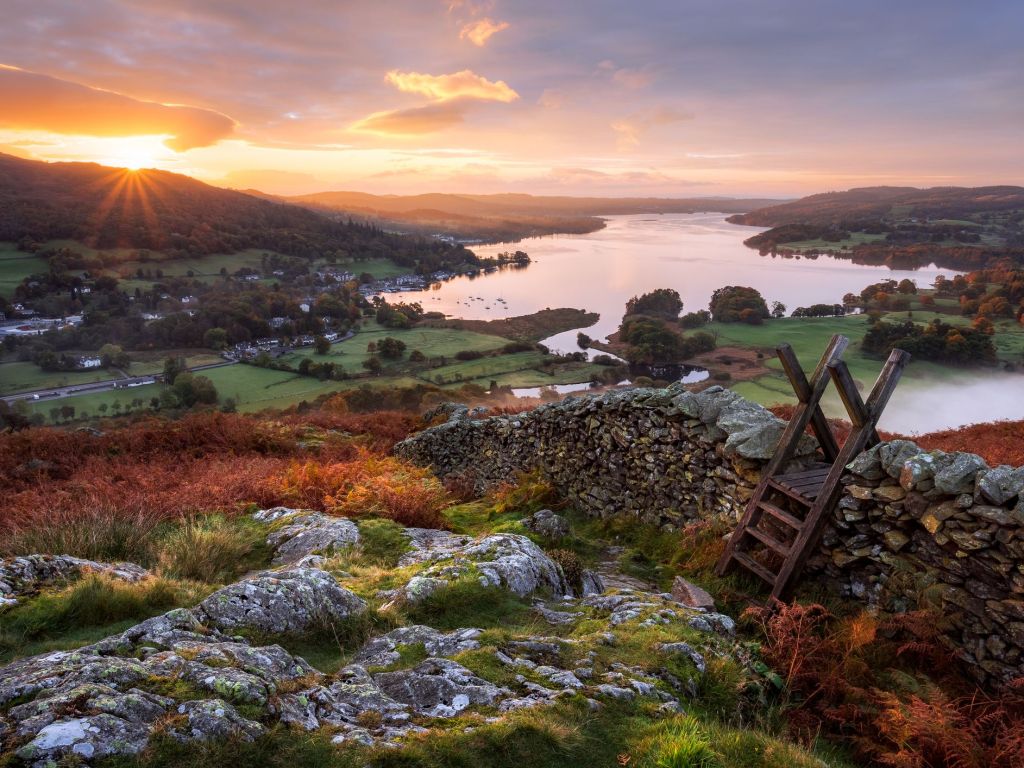
1 Following on from William Wordsworth’s poems, describe an experience in nature that has given you a sense of meaning that is beyond books. Write down your experience as a poem.
I Stand at the Stone
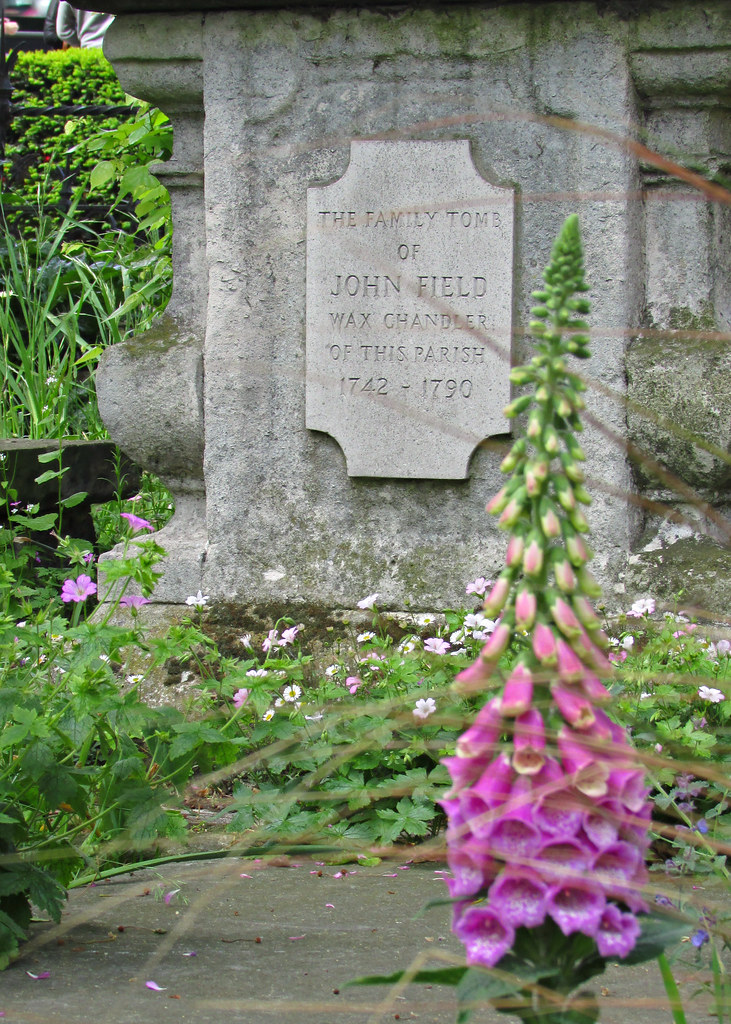
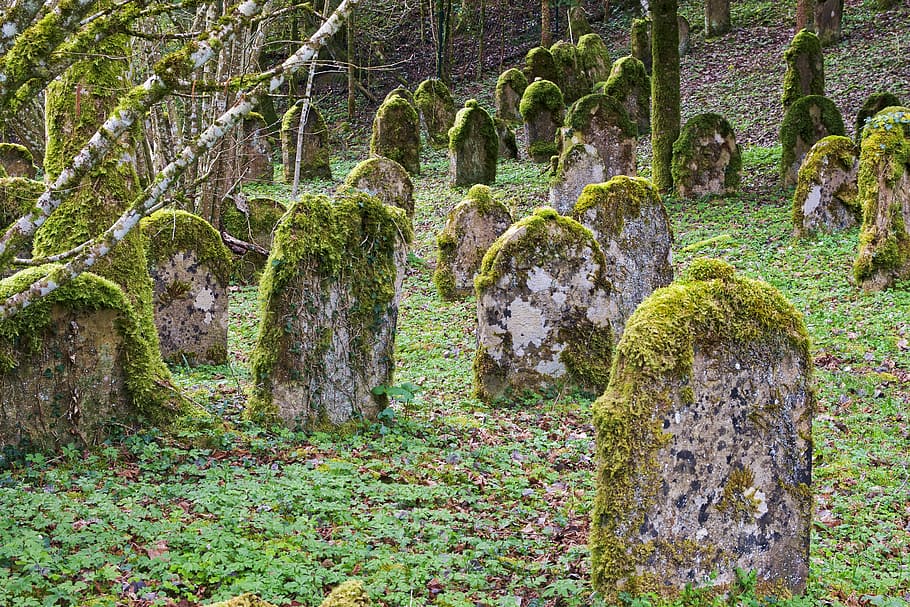
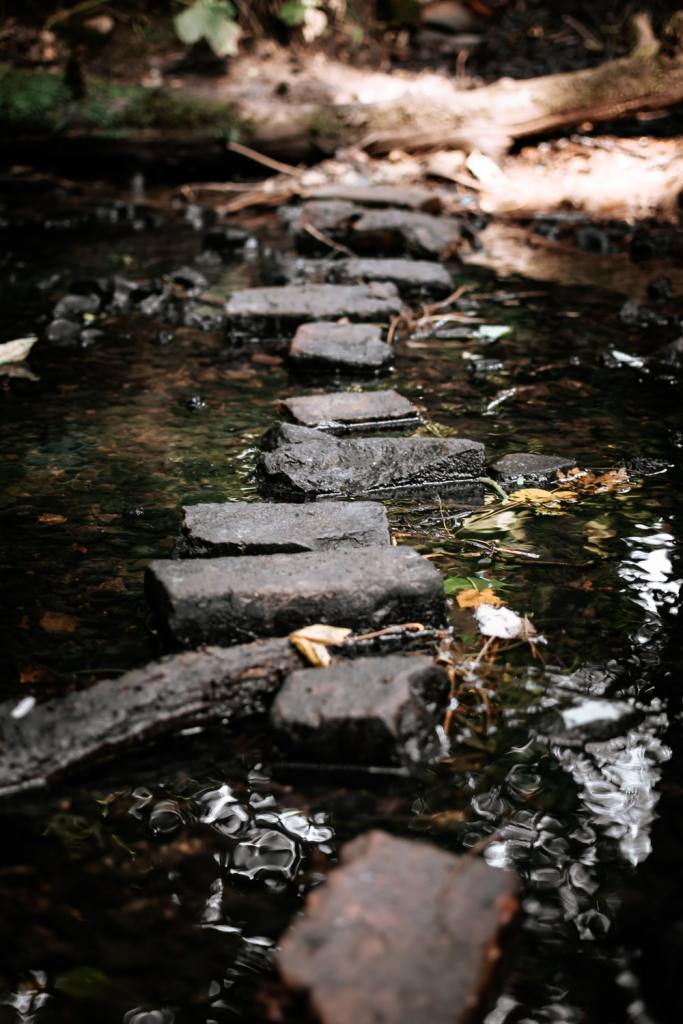
I stand at this cold stone, weeping for the weeds. There lives a futile form of essence, Some earth-strewn semblance, To the world I have once known and seen.
I stand at this cold stone, and pray you will speak. Through trees glazed in sunlight, With bug, bee or dragonfly, I pray as my knees touch the long fallen leaves.
A story for bedtime spoken through windchime, and with these fae, ferns and foxgloves of yours, Sit beside me now and blanket me in briar, as you meander betwixt greenery and God’s sublime.
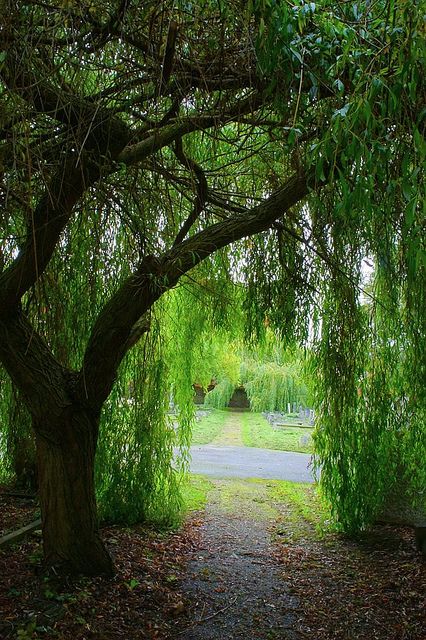
Proffer me peace as I grieve before the Galatea of you. Give me hope in this archway of willows and youth; ageless, they drift, then coil and snap with souls anew. And the breeze, it preens, as if a rope to pull at life’s tooth.
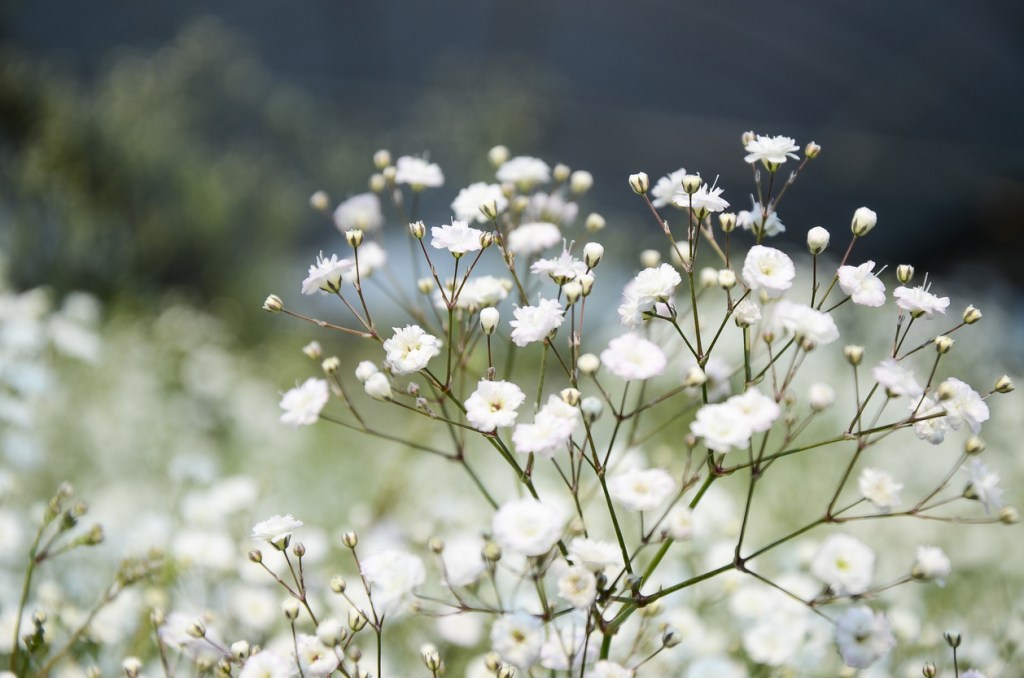
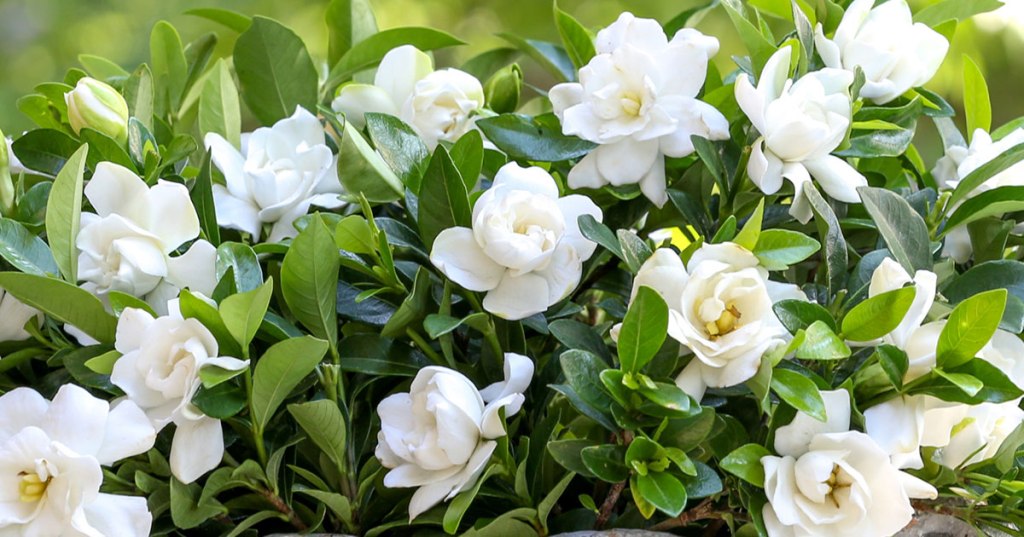
You would say I am old…too old a sad soul, Look at me with eyes of gardenia and baby’s breath. If tempted to seek, choose the birth of another’s sleepy death. When they left, Eden fell to a mere meadow of loneliness.
I stand at your ivy-kissed stone and hope for a storm, Hope the rain will beat down upon every petal until it is torn. Sit and bury my prayers in the soil of your grave. This air around us is the breath to me in the garden you gave.
This unit has enabled me to reflect on the similarities and differences between human experience in the 19th and 21st centuries.
Through poetical, prosaic, and theatrical mediums, the literary zeitgeist of the 19th Century was defined by capturing the reality of the human condition and critiquing a dehumanising class system. It is the evolutionary nature of 19th Century literary texts studied throughout this unit that has engendered an introspective and enlightening journey for me during this semester.
Much of the 19th century touches our 21st century attitudes. Poets and authors such as Keats, Mary Wollstonecraft, Wordsworth, Coleridge and Mary Shelley explore the dangers, limitations and expectations of our Western society, critiquing a human competitiveness which drives individuals incessantly toward power, capital and materialistic achievement. However, unlike our 21st century evaluation of the human experience, early 19th century authors were deeply interested in the feelings of the inner self and opposed the 18th century’s deep-rooted classical rationalism and unfeeling politics. These issues and concerns are both personal and lyrical; they evoke human experiences that are still essential to the contemporary individual, the inner life and soul of the 21st Century human experience. This was especially highlighted through my first and best blog inspired by Wordworth’s transcendental appreciation of the natural realm: (Link: https://mebsliterature.art.blog/2021/03/07/engl200-blog-1-creative/).
By comparison, the end of the 19th Century saw the prominence of playwright Oscar Wild and The Importance of Being Ernest. Historically, those of the aristocratic Victorian age viewed themselves with grandiose gravitas and could not tolerate Wild’s undermining of social structures and façade. In our present-day postmodernist era of literature, this sort of Victorian dedication to the “earnest” veneer of social etiquette is markedly different to the way in which contemporary literature captures the 21st Century human experience.
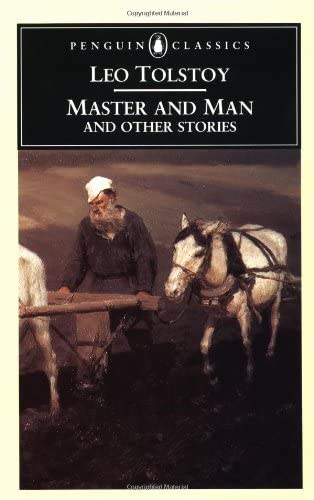
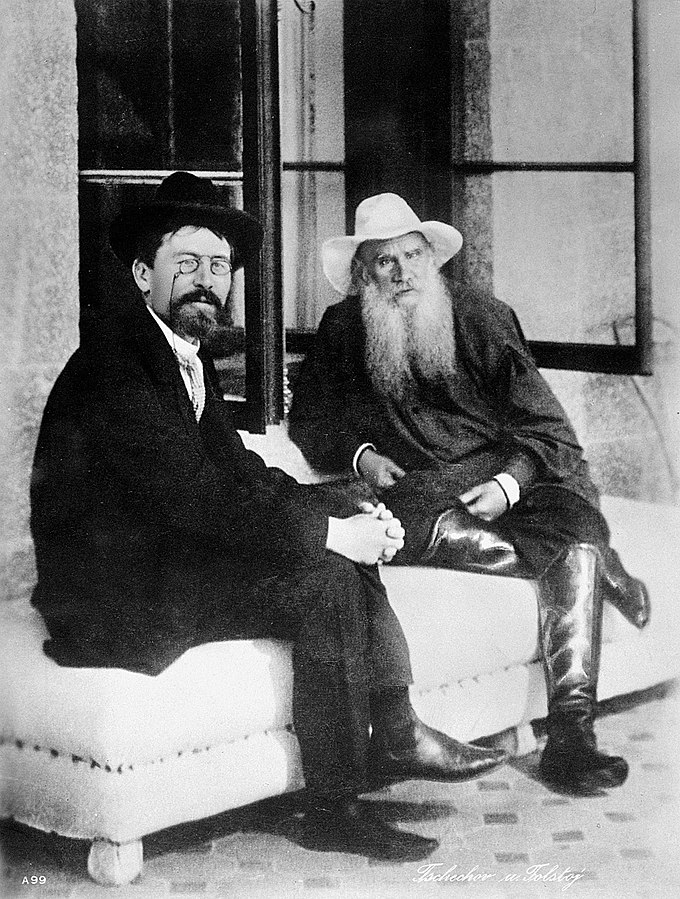
Similarly, 19th Century European literary voices, such as Chekhov and Tolstoy, aided in locating an understanding of the human condition. Chekhov’s theatricalised quest for meaning and certainty reflected the struggles of the Russian Revolution and articulates an incredible sense of insecurity and loss of identity. This uncertainty indeed parallels our own sociocultural confusion during the COVID-19 crises. Personally, Tolstoy and Chekhov’s literary explorations of the human condition allowed me to comprehend a need for acceptance of our inevitable end, especially in current times of technological modernity and instantaneous, global information. Such a departure from the material world enables an appreciation and respect for the interconnectedness and equality of all living things; this is highlighted especially in my last blog: ‘My Life is a Book Borrowed’ (Link: https://mebsliterature.art.blog/2021/03/07/engl200-blog-4-creative/).
The 19th Century is a mosaic of moral uncertainties, replete with politicised poeticisms and evolutionary voices teetering upon the turn of the century. Perhaps the most wondrous remnant of the past is its degree of divergence from the present. Through 19th Century literary figures such as Wollstonecraft, Wordsworth, Dickens, Wild, Tolstoy, Chekhov, these differences from 21st Century experiences ultimately remind us of the afflictions and tribulations endured by those who strove for the reformation and progress we live amidst today.
Through the speaker’s wistful contemplation of days past and future, readers are quietly, yet concisely, drawn into the world of this Victorian woman. I felt I was able to empathise with the speaker’s sense of devotion and reverence for her single mother: “she always spoke to others with respect” (Ayoub). It is also clear there is a strong sense of dedication to the values of Victorian society pertaining to marriage, motherhood and homemaking. My only suggestion is to be a little mindful of minor syntactic and grammatical errors throughout your work. Other than this, what a profound, thought-provoking read, Isabel!
Your blog post brought an excellent creative focus to the way nature can deepen one’s understanding of their own thoughts and feelings. Your description of “the island pillars…casting formidable shadows upon the water” underpins an abstract fluidity in the imagery of your sentiments. Just be a tad mindful of grammar and spellings errors: “a experience” should read “an experience” toward the end of your piece. Besides this, what was also noteworthy was the careful balance between tranquil introspection regarding the self and your description of the environment, which evoked an aura of transformative words and emotions. A wonderful read! – Mariama 🙂
This was an interesting andsuccinct post, Jenny! You offer a heartfelt and well-rounded critique of Mary Wollstonecraft. What I felt you posited particularly well was how “[b]oth men and women are human beings who have the right to life, liberty and happiness.” This is something I certainly agree with; many people view feminist literary criticism as a direct method of segregating genders and minorities, and forget its core values relate to equality and unity. Your discussion discerns an appreciation of how “Mary inspired people because she spoke from the heart”. This was an articulate and carefully considered piece. A great read! – Mariama 😊
You are lost in the mountains. Describe your last moments. How will you react?
My life is a book borrowed. My soul plucked my body from the shelf and now I am placating the overdue slip in the mail. The cloak of stars above are the freckles on my cheek. My cheeks are the mountains, my lips the valleys. Little earthworms have coiled around my fingers and become the most precious, glistening rings. Tears roll down my pebbled gooseflesh, just as water flows over clusters of stones among the brook beside me. I like this sound. And I am thankful that one of my favourite earth-song’s is the lullaby to take me away to ever-sleep.
The thirst has faded, the hunger vanished. My eyes have been closed a long while now. Plot twists and climaxes and red herrings have passed me by and now I am lying with my last words on the last page. My eyelashes flutter with the long grass and my hair is the sound of birds flocking to their bed of trees. I am returning my life now; it was never mine to keep.
My life is a book borrowed.
Fear has left me now: I am merely returning my years to the heavens and my body to the soil.
With only my soul to sweep across these worldly planes, I look forward to meeting with old friends and hearing their stories.
Blog 3 – Critical: Take any literary text and suggest how and why the words of this text continue to have a transformative, illuminating, nurturing LIFE. Is this why we continue to engage with literature? Is literature an antidote to the destructive forces in the world?
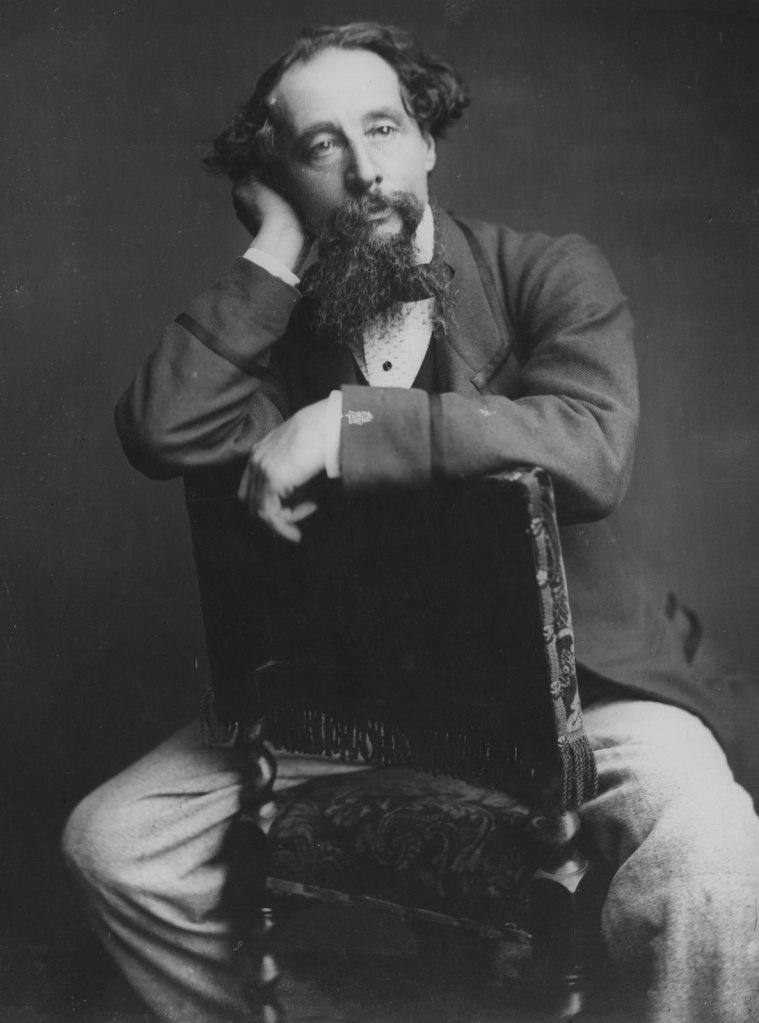
Whenever I ponder the healing and exalting powers of literature, I often consider the works of Charles Dickens. This 19th Century Unit has unearthed for me a plethora of poets, playwrights and authors who were both scathing and enraged by the same sort of superficial drivel that drives much of my own contemporary world. Upon deeper contemplation, Chapter 34 of Dickens’ Great Expectations demonstrates how “transformative, illuminating and nurturing” literature can be by satirically expounding some of the failings of poor, misguided Pip’s egoistic and materialistic lifestyle in London.
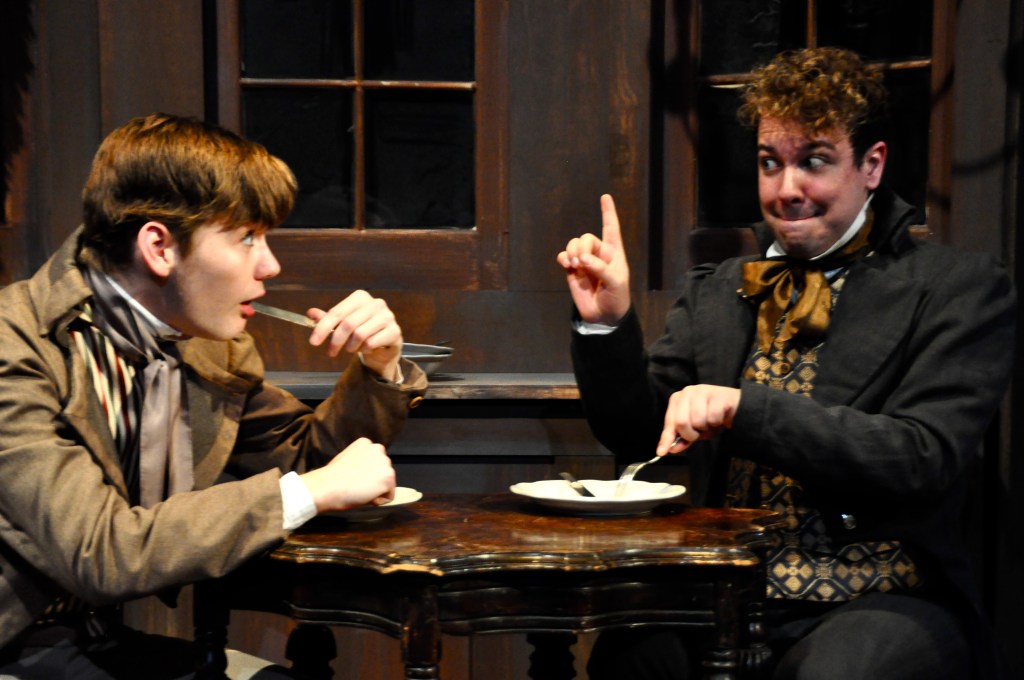
Chapter 34 demonstrates how Dickens artfully utilises cumulative language to fashion the mise-en-scene of mere façade, listing the paraphernalia in Herbert’s workroom: “the ink jar, a hat-peg, a coal-box, a string-box, an almanack, a desk and stool, and a ruler” (Dickens 487). This portrays how the elements of Herbert’s occupation embody the potential for business and productivity. However, this notion is cleanly undercut by the fact that Pip does “not remember that [he] ever saw him do anything else but look about him” (Dickens 487). In essence, the material components of a task (and oftentimes, the task itself – i.e. paying interest on the loan…googling next year’s weather forecast…doing your taxes…) amount to nothing but aimlessly and emptily peering about the contents of one’s own life, and the objects and persons which occupy the office work realm accumulate to a void of nothingness.
It becomes evident Pip and Herbert have been spending so frivolously and do not quite know what to do with their life whilst residing at Barnard’s Inn in London. Perhaps the most illuminating and transformative image is the simple description of a young man who has no sense of purpose or direction of where he is going in life, contemplating his hardworking friend whose work life offers little financial or personal progress. It is an ironic and tongue-in-cheek observation with Pip’s certainty that he “felt that I had brought his affairs into a focus for him” (Dickens 491). Dickens evokes the dysfunctionality of modernity, where we all seem to amass more and more debt to attain priceless nothings. Like many of us, Pip realises in hindsight he is delusional in his understanding of life and Chapter 34 ends with Mrs Joe’s death following Pip’s grandiose attempts to manage his affairs. This symbolises the vicious kick in the teeth from reality, which sadly many people need from life, as well as from literature.
Pip’s hapless, hedonistic existence felt to me a Dickensian mirror held up to the young Sydneysider. It is this ability to wake up the mind of the sleepwalking/sleep-living reader, even from the Victorian ashes of history, that evokes the beguiling quality of literature.
Works Cited
Dickens, Charles. Great Expectations. London: Penguin UK, 2003.
BLOG 2: You are Dorothy Wordsworth. Tell your brother William why you think your own description of events seen together in the Lake District are superior to you brother’s rather obscure depictions of the same event. Give a couple of clear examples to prove your point.
Dearest Brother,
At times like these, I often ask myself if your words perhaps deepen our experiences at the Lakes in ways my words never could. Perhaps my sentiments are straight-forward and direct as I intend for nobody to read them and yours carry secrets of both mind and soul. My life is recollected through my journals; I live in the quiet facts and events of past times. Rereading both our works–your poetry and my journals–I relive different versions of the same moment. Perhaps I am more objective, whilst you are introspective. I view my world in accordance with the collectiveness and connectivity of others. You recreate the experience from within your own consciousness.
As an example, I compare our encounter with the leech gatherer and consider his characterisation in our respective writings. With my journals, we imagine an impoverished vagabond, whereas your portrayal is one that makes us feel he is a reverential, godly presence. You need not explain why this old man is hunched over and sore, though I feel he deserves our remembrance in realism and clarity, and so I must outline his ailments and injuries. You celebrate this man, yet I cannot celebrate what I feel I must pity. To be frank, I feel similarly toward your poetry; I cherish your words, dear brother, though I cannot celebrate the beauty that is manifested from the pains of your mind.
I understand Resolution and Independence captures your own state of mind and know meeting this old traveller assisted in attaining your own peace and stability. Sometimes I feel my writings expound the elucidated sense of a perhaps stable and healthy mind. The anguish and major fluctuations within your mosaic of consciousness may be so overwhelmed with a pained interiority that you can only focus on internal traumas or epiphanies. However, perhaps my authentic capturing of this leech gatherer’s experiences can be argued as less philosophical and more humanised and forces humans to peer beyond their own framing of experiences and empathise for the real and pained moments of others. Whilst I attempt to verbalise the sociableness of our lives, you experience the internal and eternal: “In vacant or in pensive mood, They flash upon that inward eye, Which is the bliss of solitude…” Your poem is timeless and placeless, whereas I describe the people, places, and times that I traverse. Paradoxically, I hope this logicality facilitates an emotional connectivity for my reader; though the chronological and logical sentiments might seem to initially estrange the readers in another time and place, I do think this worldbuilding does in essence make it easier to connect with my writings.
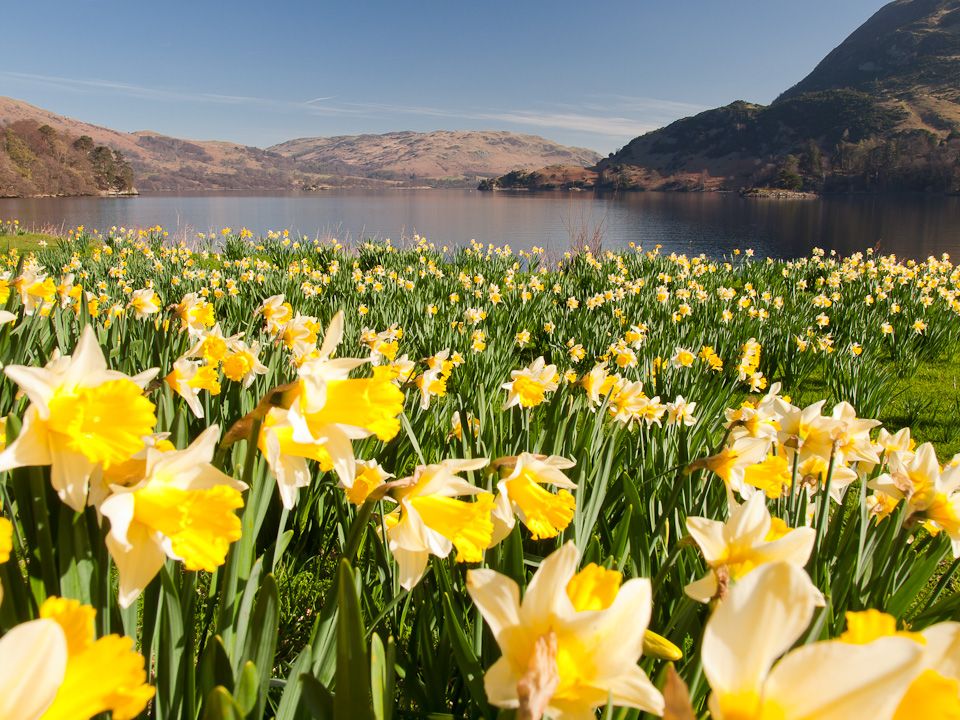
I recall my entry on the 4th of May. I remember when you “went to bed nervous and jaded in the extreme”. The way you personify those daffodils in ‘I Wandered Lonely as a Cloud’ with movement and energy; those flowers exist beyond the meaning of their words on the page. I can not only explicate the semantic meaning behind your poetry, but I also taste the meaning created in the form, rhyme and texture of your words. I lose myself in the fusion of our worlds, I see the sharpness of memory in my journals: “lake…wind…breeze…river…grass…hill”. The multisyllabic and abstract essence of your words: “outstretched…thousand…sparkling…pensive…inward…solitude”; that is where I see the halo of something mighty and transcendent in your poetry.
Your interpretations are whimsical and romantic, whereas mine are steeped in realism. The similes and metaphor, the sense of the infinite, the synthesis of day and night, the imagery of stars in contrast with the springtime daylight of flowers; “continuous as the stars that shine, And twinkle on the milky way, Along the margin of a bay: Ten thousand saw I at a glance”. It is the rhythm of your stanza and line length that offers life. It is the chiming and repletion of soul rather than reality, the repetition of words, of alliterations and assonances, the balancing of lines and phrases; this does add something that cannot be sprung from prose texts.
I began this letter with the feeling I should prove my writing superior to yours. I wanted to question the war of serenity and instability inside your mind with my logic and linear narratives for an answer. But I now realise there is beauty in both realms. And, for that, it seems I cannot decide and I feel I should not.
1 Following on from William Wordsworth’s poems, describe an experience in nature that has given you a sense of meaning that is beyond books. Write down your experience as a poem.
I Stand at the Stone
I stand at this cold stone, weeping for the weeds. There lives a futile form of essence, Some earth-strewn semblance, To the world I have once known and seen.
I stand at this cold stone, and pray you will speak. Through trees glazed in sunlight, With bug, bee or dragonfly, I pray as my knees touch the long fallen leaves.
A story for bedtime spoken through windchime, and with these fae, ferns and foxgloves of yours, Sit beside me now and blanket me in briar, as you meander betwixt greenery and God’s sublime.
Proffer me peace as I grieve before the Galatea of you. Give me hope in this archway of willows and youth; ageless, they drift, then coil and snap with souls anew. And the breeze, it preens, as if a rope to pull at life’s tooth.
You would say I am old…too old a sad soul, Look at me with eyes of gardenia and baby’s breath. If tempted to seek, choose the birth of another’s sleepy death. When they left, Eden fell to a mere meadow of loneliness.
I stand at your ivy-kissed stone and hope for a storm, Hope the rain will beat down upon every petal until it is torn. Sit and bury my prayers in the soil of your grave. This air around us is the breath to me in the garden you gave.







 Mariama E. Biro Saibou