
4/ CRITICAL How does your response to Sassoon’s “On Passing the New Menin Gate” make you reassess your reaction to war memorials in your own country? Try to be as honest as you can about this.
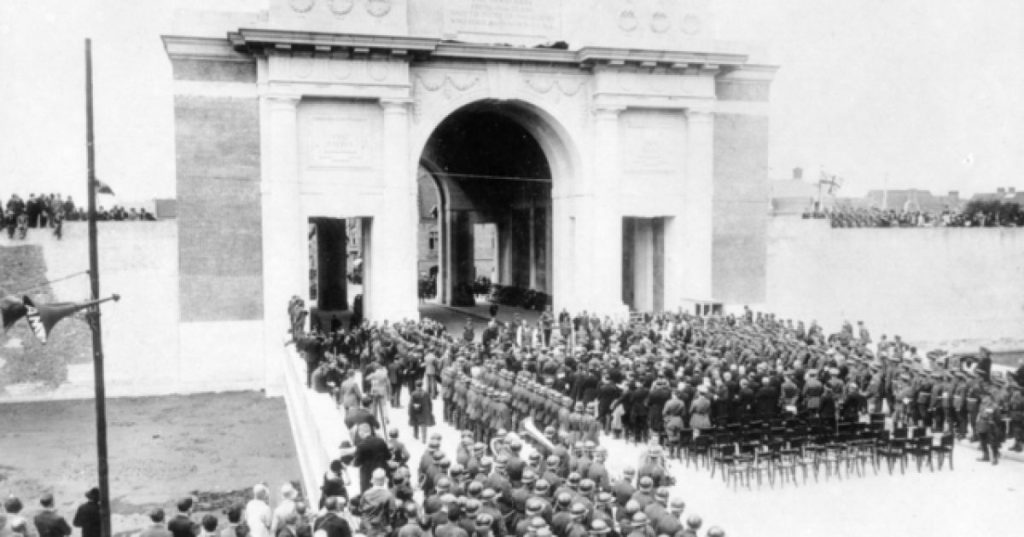
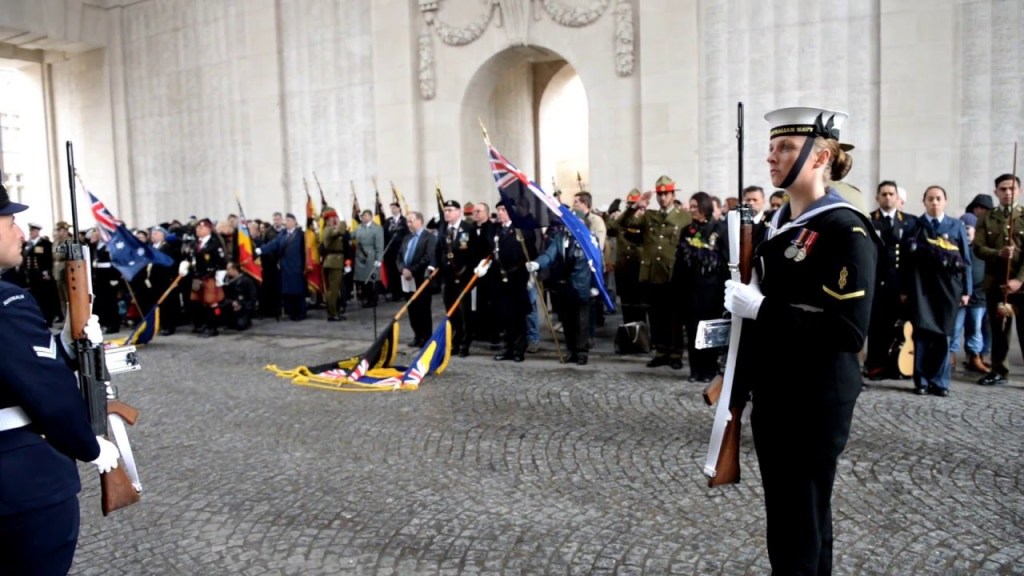
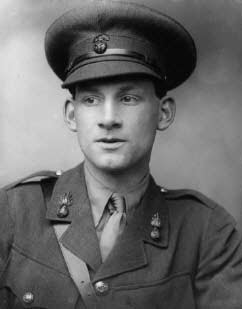
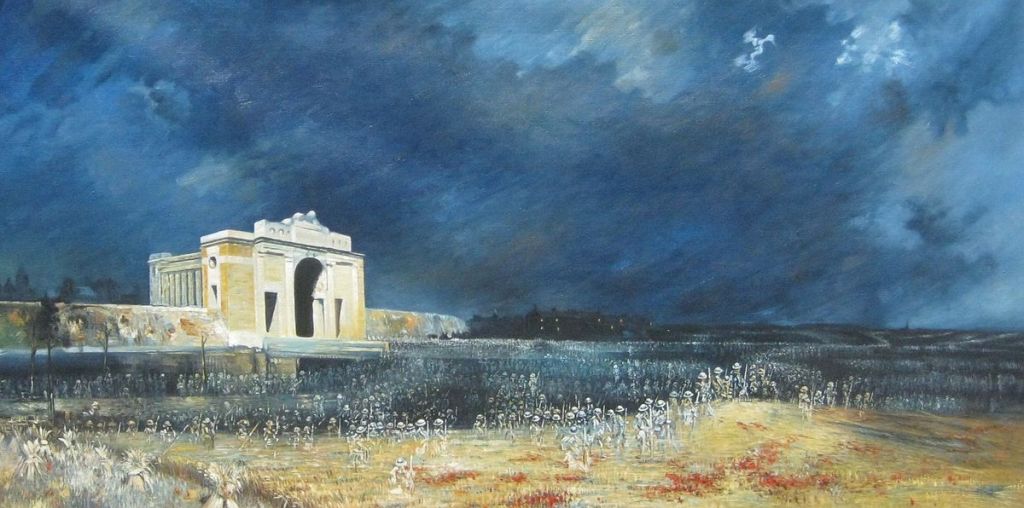
Sassoon’s ‘On Passing the New Menin Gate’ questions the glorification of war memorials and challenges the way in which memorials merge with our own sense of national identity. This piece makes me consider the degree of patriotism and nationalism that exists to silence the critiques upon conflict. Sassoon speaks on behalf of the dead soldiers and contends they “rise and deride the sepulchre” (Sassoon) for memorialising the criminality of this war. The use of alliteration in “paid, with a pile of peace-complacent stone” (Sassoon) emphasises the attitude of pulsating immobility and often ambivalence that ensues in response to the traumatic events of war. Sassoon’s piece does make me reconsider how war memorials operate inherently in conjunction with national identity. It is significant to note that many individuals do not typically identify the Australian national identity with the ‘success stories’ of history. The Battle of Gallipoli and the Eureka Stockade, for example, are mythologised into our understanding of what it means to be Australian, and these events essentially typify moments of failure, and yet symbolise the ‘Aussie’ ideals of resilience, of “the dead who struggled in the slime” (Sassoon), and mateship. Australia, especially, pedestalises the losses of war as an intrinsic element of our national identity, as exemplified through the manifestation of the ‘ANZAC spirit’. Perhaps Sassoon not only challenges the notion of war, this piece further addresses a culture’s relationship with national identity. Personally, Sassoon’s piece reminds me that Australians (and our European allies and predecessors) suffer from an unconscious fear of admitting that this unattainable glimmer of ‘peace’ we envision for our world may not have been worth those countless, short-lived lives who faced unimaginable horror. By nature, I feel humankind want (nay, need) to believe the insurmountable pain of the past and such unconscionable wars are the price to pay for reconciliation; therefore, this “Gateway claims” (Sassoon) its lives. For if those wartime lives were sacrificed for nought, then how much are our peace-addled lives worth?
Works Cited
Anzac Day 2016, Menin gate Ypres (Day ceremony) – Advance Australia Fair.
Longstaff, William. “Will Longstaff’s Menin Gate at Midnight.” Australian War Memorial (1927)
Sassoon, Siegfried. “On passing the new Menin Gate.” Collected Poems (1983).
 Mariama E. Biro Saibou
So good to see Sassoon still capable of challenging our inherited attitudes to war. A well written and thoughtful piece!
LikeLike
This critical blog gets straight to the point in identifying the correlation between patriotism, war and a National Identity. It causes the reader to be reflective and critical of their own nationalistic beliefs, I particularly felt this in the line “…The Battle of Gallipoli and the Eureka Stockade, for example… these events essentially typify moments of failure, and yet symbolise the ‘Aussie’ ideals of resilience…” I particularly like the sentiment of a nations fear of admitting the wrongs of war; which, as stated in the blog, would devalue the deaths of many young lives. Overall this blog is extremely engaging and is very well written. I will however, mention that the blog requires a prior understanding of the poem. This aside, well done!
LikeLiked by 2 people