
The Twentieth Century gives me real insights
into human and social issues that are still current in the 21st century.
- The blogs that I have written over the semester encompass my
evolving and developing understanding of the different aspects of Twentieth Century literature. My new insights into the human and social elements of the texts I have studied are conveyed through my blog entries. Such entries are ultimately personal, evaluative, and creative appreciations of the novelists, essayists, poets, painters and playwrights I have come to connect with emotionally and relate to intellectually over these twelve weeks. My blog entries further exemplify a relevant moment in contemporary times that in-turn realises the continuing importance of Twentieth Century issues.
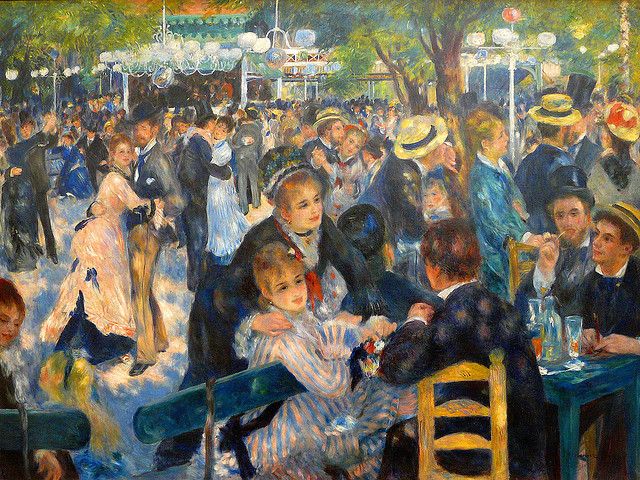
- My first and the best reflection of my insights into these human and social topics was my first blog: an ekphrastic poem ‘The Man from Montmartre’ inspired by the painting Dance at le Moulin de la Galette by Pierre-Auguste Renoir. Through my words, my intention was to highlight the colourful textures and moving, vivid shapes of Renoir’s Parisian painting. This creative exercise made me conscious of the processes and materials that are essential in the spiritual experience of artmaking.
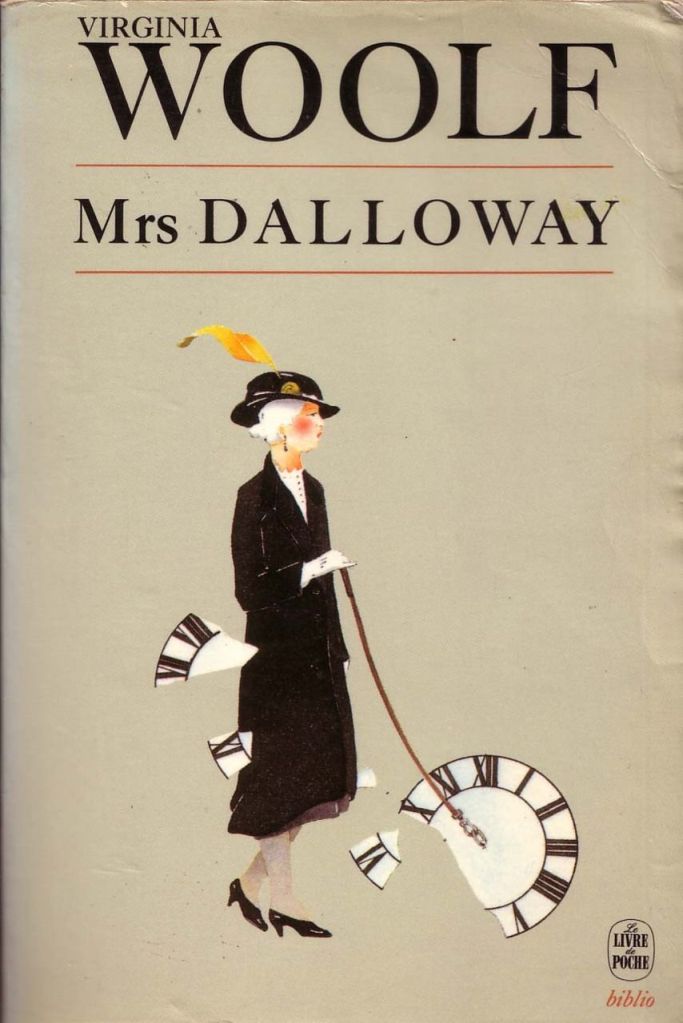
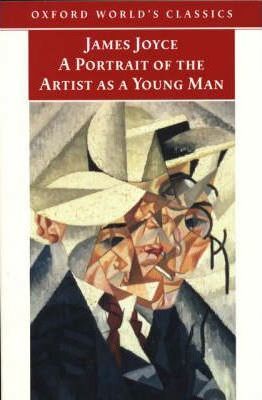
- This sense of self-consciousness seemed significant to prominent Twentieth Century authors such as of T. S. Eliot, Ezra Pound, Virginia Woolf and James Joyce. What became clear to me throughout this semester was the importance of this literary experimentalism throughout this century of change and exploration. I found Renoir’s painting immensely beautiful, as well as relatable, because of the way in which it reflected both the human spirit and the social connections that continue to intertwine the artistic passion in today’s contemporary society. Even today, society is drawn to the appreciation of the beauty that art can arouse within many individuals. Furthermore, I particularly enjoyed James Joyce’s A Portrait of The Artist As A Young Man, Joyce uses his language to shed light upon the shades of Ireland: religion, politics, nationalism. Through these frames, we capture the inner world of Joyce and see there is beauty in exile when epiphany has freed the self from the constraints of the rigid
society.
- My readings of the perspectives of other peers in my cohort also illuminated how relevant Twentieth Century literature, art and philosophies are in formulating notions of our personal relationship with current times and social trends. The often obscure and complex interiority of many Twentieth Century writings and artworks is something for students to relate to; these ideas of exploration and change compel our own ponderings pertaining to the modern era, culture and people around us.
- The Twentieth Century is a kaleidoscope of conflict, challenges and new ideas, both rejecting classical constructs and ushering in explorative methods of capturing the human spirit and challenging social structures. Perhaps the best wonder of the past is that it speaks to moments of
the present; history is paved with lessons how society operates for and against the human spirit. The zeitgeist of the Twentieth Century was one of change and experimentation. It is this explorative nature of the Twentieth Century literary texts that has made for an edifying journey throughout this semester.

Works Cited
- Eliot, Thomas Stearns. The waste land and other poems. Broadview Press, 2010.
- Joyce, James. A Portrait of the Artist as a Young Man. OUP Oxford, 2008.
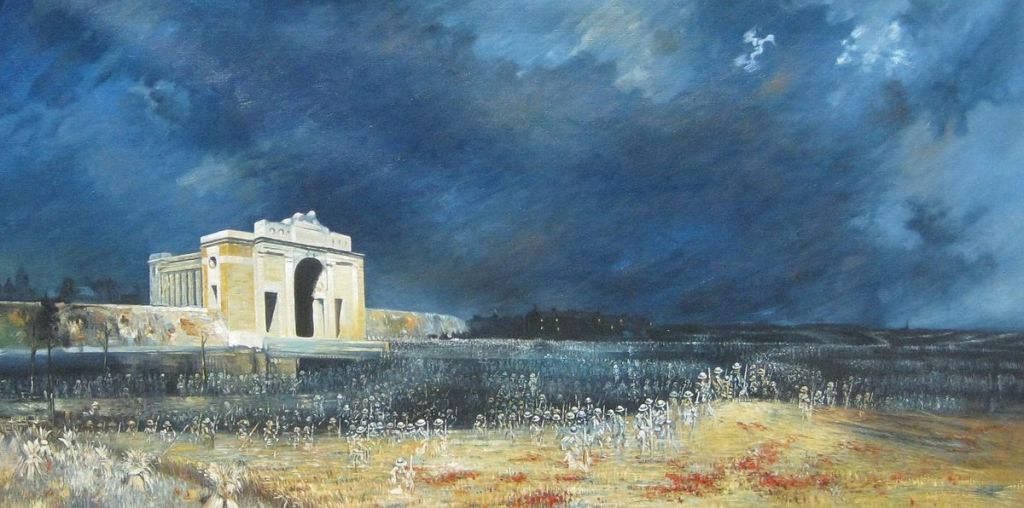
- Longstaff, William. “Will Longstaff’s Menin Gate at Midnight.” Australian War Memorial (1927)
- Picasso, Pablo. Weeping woman. Davis Publication, 1980.
- Renoir, Pierre Auguste. Le Bal du Moulin de la Galette. 1921.
- Sassoon, Siegfried. “On passing the new Menin Gate.” Collected Poems (1983).
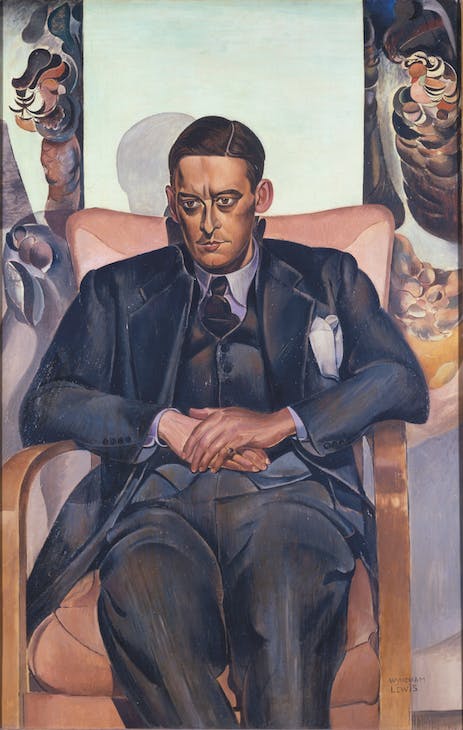
- T. S. Eliot (1938), Percy Wyndham Lewis. Durban Art Gallery. The Wyndham Lewis Memorial Trust/Bridgeman Image
- Woolf, Virginia. “Mrs. dalloway.” Collected Novels of Virginia Woolf. Palgrave Macmillan, London, 1992. 33-176.
 Mariama E. Biro Saibou
Mariama this is a wonderful Summative Entry that captures something of the passion with which you approach your work and the deep understanding that comes from that. I especially enjoyed, here your description of how the writing of your response to Renoir led to a directly experiential understanding of what the master was trying to create: “This creative exercise made me conscious of the processes and materials that are essential in the spiritual experience of artmaking.” Your comments on Virginia Woolf and other modernists were also very illuminating. Thank you for all the good work you have done this semester.
Michael.
LikeLike